Congress calls SIR 'method of disenfranchising Indians', alleges mass voter deletions
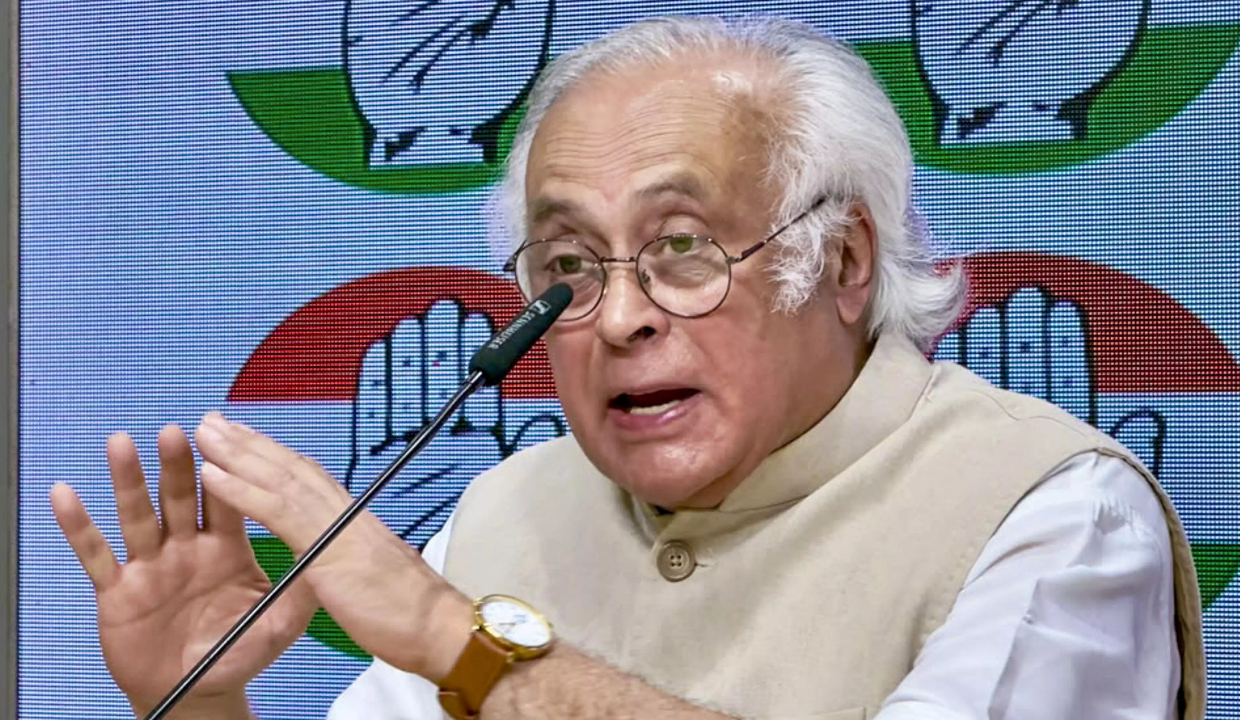
The Congress on Monday stepped up its criticism of the Election Commission's Special Intensive Revision (SIR) of electoral rolls, calling it a "Method Of Disenfranchising Indians" and a "Frankenstein monster" amid notices issued to 33.13 lakh voters in Delhi over discrepancies in their details.
Most of the notices were issued after voter details in enumeration forms did not match information in the last SIR of electoral rolls conducted in 2002.
Congress president Mallikarjun Kharge issued a detailed statement on X, while party general secretary in-charge communications Jairam Ramesh also criticised the exercise.
Responding to a post highlighting the name of late economist Bibek Debroy among those issued notices, Ramesh said, "Actually at work here is a Method Of Disenfranchising Indians."
He posted the words vertically so that the first capital letters formed "MODI".
Ramesh also questioned the Election Commission's focus on notices issued to prominent individuals, saying influential people would find ways to ensure their names remained on the rolls while ordinary voters could struggle to do so.
He claimed 5.43 crore voters across 14 states and Union territories had received notices seeking additional documentation to establish their eligibility.
"There is abundant evidence that deletions affect the most socially and economically marginalised groups, including slum dwellers, the poor and women," Ramesh said.
He claimed names of more than six crore voters had been removed during the enumeration phase and questioned why another 5.4 crore voters were now at risk of deletion.
"In Delhi, 54% of voters have either been deleted or face risk of deletion. This is an absurdly high share that calls the whole voter roll into question," he said, demanding that the lists of voters at risk of deletion be released in every state.
Ramesh said voters could face deletion from the final roll if they failed to provide adequate documents to the satisfaction of the Booth Level Officer or Electoral Registration Officer.
"Very serious concerns have been raised about the SIR process. The ECI must address these concerns about a process that has become a Method Of Disenfranchising Indians," he said.
Kharge, in his statement, alleged that the SIR had been used by the BJP for "vote theft and dismantling democracy" and had now become a "Frankenstein Monster".
He said the exercise, which began in Bihar, had now reached Delhi and claimed that several prominent BJP leaders and other public figures had received notices.
Kharge also cited figures from West Bengal, claiming that 93 per cent of decided appeals by voters whose names were deleted had succeeded, resulting in 1,13,943 people being reinstated on the electoral roll.
He questioned the basis on which their voting rights had initially been removed.
Kharge also objected to the Election Commission's reference to "VIP/marked electors" in an official press release, asking whether there was now a separate category of voters and whether this was consistent with the principle of "One Person, One Vote, One Value".
He claimed that 13.8 crore voters had been struck off electoral rolls in the first three phases of SIR across 31 states and Union territories, amounting to about 14.61 per cent of the 94.78 crore voters.
The Congress had on Sunday alleged that the SIR exercise amounted to a "Shah Instigated Removal" of voters and an "assault on the Constitution".
The opposition party has alleged that deletions across states disproportionately affect socially and economically disadvantaged sections.
Opposition parties have also alleged that the exercise is aimed at targeting voters not aligned with the BJP and its allies.
The Election Commission has maintained that the revision, being conducted after 22 years, is intended to remove ineligible and duplicate entries from electoral rolls while ensuring that all eligible voters are included in accordance with law. Recent reporting also shows that notices have been issued to several prominent public figures, with some subsequently verified and retained on the rolls.