CM Rekha inaugurates International Film Festival Delhi 2026
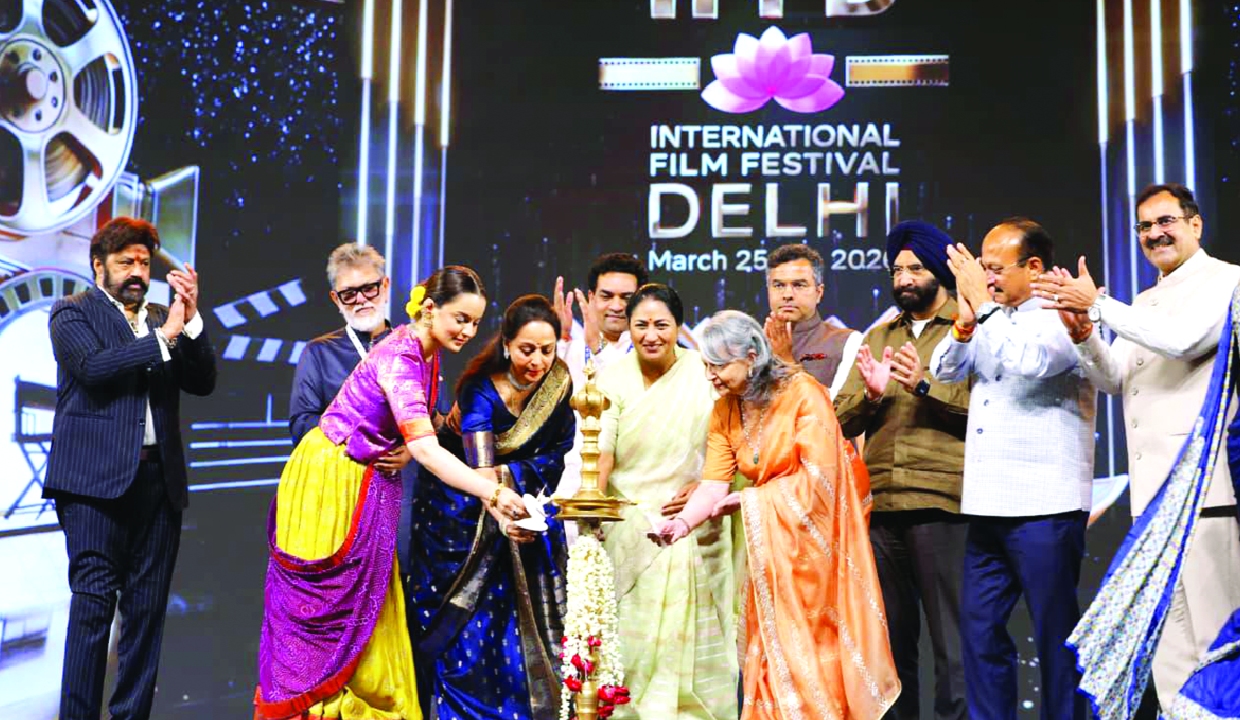
The red carpet rolled out at Bharat Mandapam on Wednesday, but this was more than a ceremony. It was a statement. Delhi, long a city of power and politics, is now pitching itself as a city of cinema.
Chief Minister Rekha Gupta inaugurated the International Film Festival Delhi (IFFD) 2026, opening a week-long showcase of over 125 Indian and international films. The festival runs from March 25 to 31 and brings filmmakers, actors, and storytellers from across the world into the capital’s cultural fold.
Under the glow of stage lights and camera flashes, the message was clear: Delhi wants a seat at the high table of global cinema.
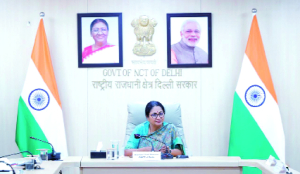
“This is a historic moment,” the Chief Minister said, addressing a gathering of artists, ministers, and industry figures. “Delhi has always been a centre of art and culture. This festival carries that legacy forward onto the global stage.”
The opening night blended spectacle with symbolism. A red carpet welcomed some of Indian cinema’s most recognisable faces. Cultural performances filled the hall. A special audio-visual presentation traced the journey of Indian cinema. The evening closed with the screening of the opening film SIRÂT. But beyond the glamour lies a larger ambition.
The Chief Minister said the festival is not just about films. It is about building a creative ecosystem. The government, she added, is working to make Delhi a long-term hub for filmmaking, tourism, and cultural exchange. “Cinema connects people beyond language and borders,” she said. “Through this festival, Delhi is finding its place alongside Mumbai, Pune, and Goa.”
That aspiration runs through the design of IFFD. The festival is not confined to screenings. It stretches into conversations, classrooms, and collaborations. There is CineXchange, a film market where ideas are pitched and deals take shape. There are masterclasses and panel discussions on everything from scriptwriting to artificial intelligence in filmmaking. There are sessions that look back at cinema’s past and others that imagine its future.
On March 27, actor Manoj Bajpayee will sit down for an interaction. Anupam Kher will lead a masterclass on acting later in the week. Piyush Mishra will anchor a day of conversations on cinema and storytelling. The restored version of Sholay will return to the big screen, bridging nostalgia with new audiences.
Minister for Art, Culture, and Tourism Kapil Mishra called the festival a “historic initiative” and a turning point in shaping Delhi’s cultural identity. “Delhi is no longer just an administrative capital,” he said. “It is emerging as a centre for art, culture and creativity.” The guest list reflected that shift. Sharmila Tagore, Kangana Ranaut, Hema Malini, Vicky Kaushal, Arjun Kapoor, Nimrat Kaur, and Madhur Bhandarkar were among those present. Their presence added weight to the festival’s ambition.
IFFD also attempts to widen the frame. Initiatives like “Her Lens” aim to spotlight women filmmakers. Platforms like CineXchange open doors for emerging voices. Screenings are not limited to Bharat Mandapam. They spill into PVR cinemas across the city and public venues, taking cinema closer to audiences.
For a city that has always told stories through its streets, its monuments, and its restless crowds, this is a new chapter. Delhi is not just hosting a festival. It is rehearsing a role.