Children have spoken. Schools must now answer
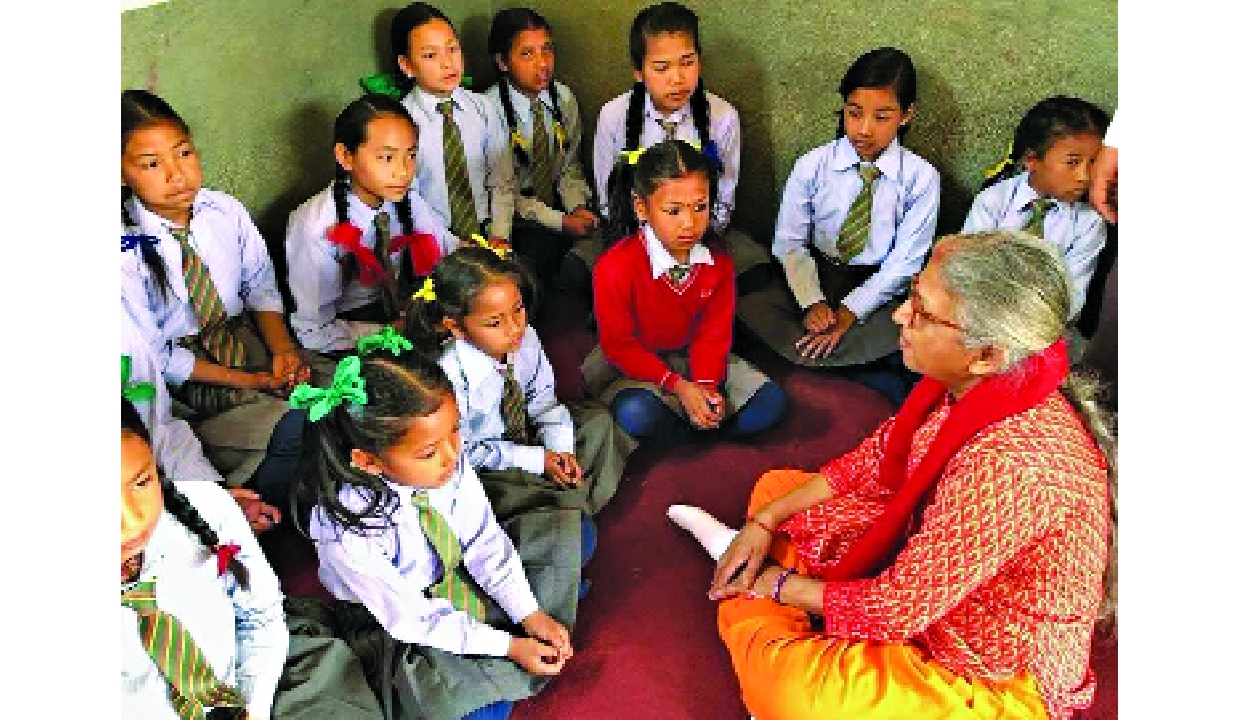
In early 2022, the Education Ministry asked 3.79 lakh schoolchildren how they were doing. Eighty-one per cent said studies, examinations and results made them anxious. Satisfaction with school and life fell sharply in Classes 9 to 12, when we ask the most of them.
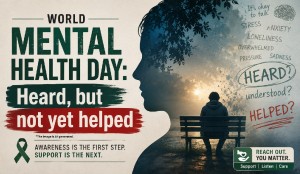
This World Mental Health Day’s theme is “Lived Experiences Heard: Real Voices, Real Change”. India has the first half on record. The second half is where we must now move. The cost is visible. The National Crime Records Bureau recorded 14,488 student suicides in 2024, the highest in a decade. Many were in classrooms in their final weeks, among adults untrained to notice.
The deeper problem is conceptual: we have mistaken mental illness for mental health. Counsellor-only models treat distress as a clinical event. Most of it is not. Most children are not ill, only anxious, ashamed of their bodies, afraid of a result, and never given language for any of it. Refer them all and we medicalise adolescence while still missing those who need care. They need wellbeing taught like any other subject: naming an emotion, asking for help, recognising a strength in yourself. A trained teacher, a timetabled period, and no child forced to declare themselves struggling.
Institutions are finally moving. The Supreme Court issued binding student mental health guidelines in July 2025. CBSE made counsellors compulsory in January 2026. But that covers about 30,000 mostly private schools out of nearly 15 lakh. In government schools, fewer than one in ten offers any psychosocial support. The risk is answering a systemic problem with an administrative one.
The evidence is no longer thin. Weekly teacher-led sessions in Bihar’s Kasturba Gandhi Balika Vidyalayas, residential schools for girls from Dalit, Adivasi and minority families, improved emotional resilience and wellbeing by roughly a quarter. It works because the teacher already knows the child and no adolescent must travel, pay or disclose. I think of Nirasha, a girl in Rohtas named for despair because her family had just lost a son. In a session on character strengths, she met the word jigyasa, curiosity, and recognised herself. She changed her name; her school corrected its records and helped update her Aadhaar. No one diagnosed her isolation. They gave her a voice. A real voice, a real change.
For every child to have this, wellbeing must be timetabled and funded, not appended: hours in teacher development, a budget line that survives a change of government. Students must be heard on a schedule, not once every few years, and the hearing must lead somewhere. Jharkhand has written six hours on mental health into its 50-hour teacher programme.
India will soon have its first school mental health policy. It will be judged not by its language but by its presence: whether, three years from now, a fourteen-year-old in a government school in Nalanda has an adult trained to listen and an hour a week for her inner life. We have heard them. This October, the question is whether we can change their experience.
The writer is Vice-President and Country Director of WorldBeing India; Views presented are personal.