Chidambaram flags ‘non-voting citizens’ over SIR
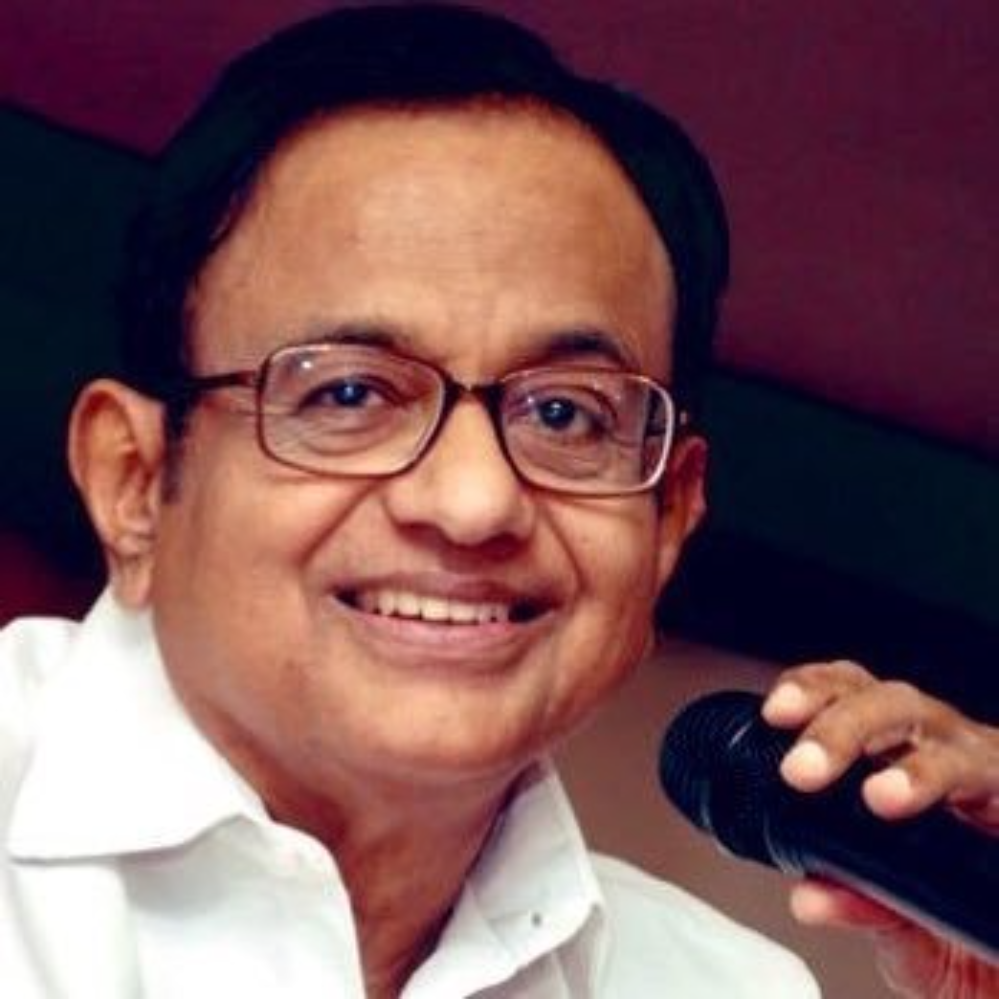
Congress leader P Chidambaram has criticised the Election Commission’s ongoing Special Intensive Revision (SIR) of electoral rolls, saying the exercise risks creating a new category of “non-voting citizens”. Reacting to former diplomat Navdeep Suri’s experience in Punjab, Chidambaram questioned how ordinary citizens would navigate the process if a former ambassador faced difficulty establishing his credentials.
Navdeep Suri, who served as India’s ambassador to the UAE and Egypt and as High Commissioner to Australia, tweeted he was asked to provide additional documents after his current voter details could not be mapped to the 2003 electoral roll being used as the reference database in Punjab. He said he had submitted his Voter ID and Aadhaar card but was later asked to produce his passport because he was posted in London in 2003. “If I have trouble establishing my citizenship after representing India in three countries, what’s the fate of the common citizen?” he asked.
The episode has brought renewed attention to the SIR exercise and the distinction between citizenship and electoral-roll verification. The exercise is aimed at identifying eligible voters and removing entries classified as deceased, shifted, untraceable or duplicate, while voters whose details cannot be mapped to earlier rolls may be asked to provide documents for further verification. In Punjab, officials said Suri’s name remains on the draft electoral roll and that the notice was issued because his current details could not be mapped to the 2003 roll, not because his citizenship had been cancelled.
The controversy, however, has raised a broader question: if a former diplomat with multiple identity documents can face hurdles during electoral verification, how difficult could the process be for ordinary citizens with fewer documents?