CBN seizes 66.80 lakh psychotropic tablets on Punjab-Himachal route
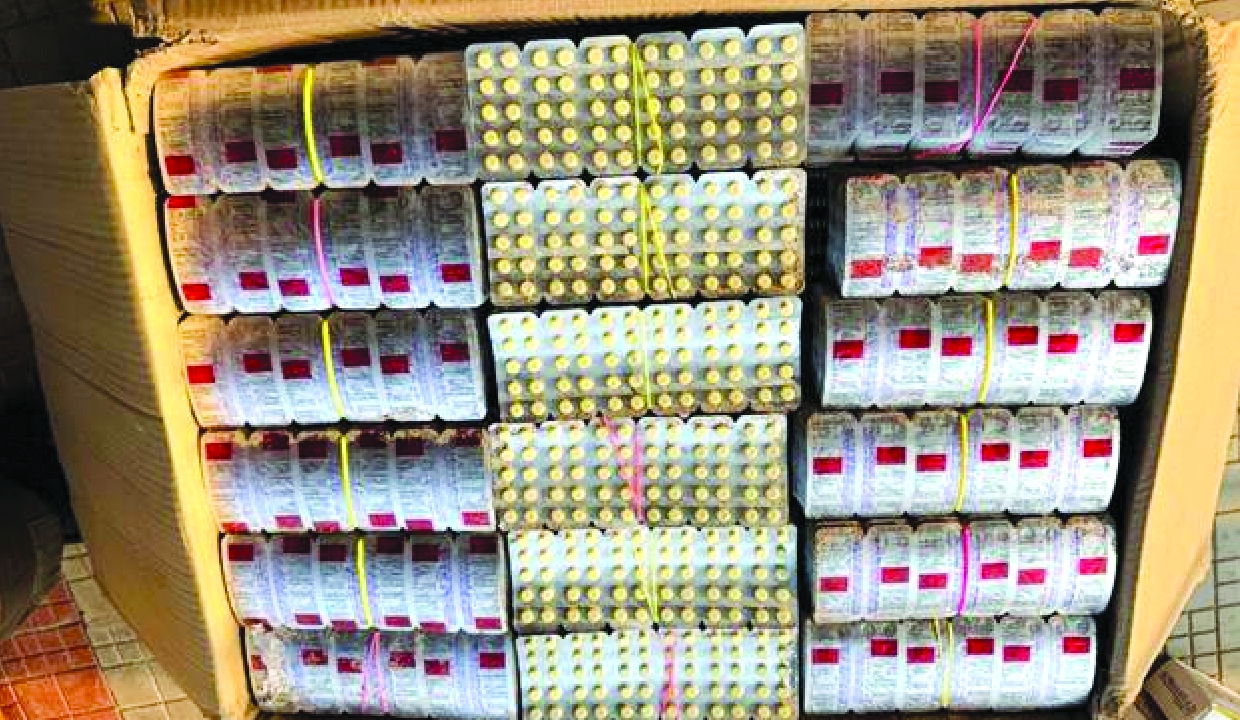
In one of the largest recent seizures of diverted pharmaceutical drugs in North India, the Central Bureau of Narcotics (CBN) Madhya Pradesh Unit intercepted a truck on the Chandigarh-Baddi interstate route and recovered 66,79,980 psychotropic tablets being moved without invoices, bills or e-way documents.
The haul, made under ‘Operation Vajra 2.0’, comprised 59,08,100 Alprazolam tablets, 7,47,780 Tramadol tablets, 23,700 Nitrazepam tablets, and 400 Clonazepam tablets, packed in 120 master cartons. Officers also seized the SML Isuzu Sartaj truck, registered in Uttar Pradesh, and arrested one person.
The consignment and the vehicle were seized under the Narcotic Drugs and Psychotropic Substances Act, 1985. The operation was initiated based on intelligence obtained by the CBN unit in Neemuch. A specialised preventive team carried out overnight surveillance along the Punjab-Himachal Pradesh route and set up positions on the Chandigarh-Baddi highway. Following several hours of monitoring, the truck was stopped on 27 August and then taken to a safe place where a carton-by-carton search was conducted. What was discovered was not a normal commercial shipment.
The batch numbers, manufacturing dates, and expiry dates had been deleted from a large number of blister strips and boxes, a measure that investigators state was intended to break the paper trail and evade regulatory tracking.
Large quantities of the goods also bore the printed instruction “Not to be sold in Punjab Haryana State”, even though the truck was entering that very area without the required official documentation.
The authorities said the extent of the load, the lack of commercial documentation and the intentional damage to the packing markings all indicate that controlled medicines have been systematically diverted from the authorised pharmaceutical distribution chain and sent into unofficial markets.
Alprazolam, Nitrazepam and Clonazepam are benzodiazepines which are used in the treatment of anxiety, insomnia and other related conditions; Tramadol is an opioid painkiller. Since all four substances have a high potential for abuse, dependence and resale on the street, they are strictly regulated.
Large and unrecorded movements of such tablets have long been a recurring concern for law enforcement in the Baddi-Barotiwala-Nalagarh area, a manufacturing centre often said to produce a major portion of India’s medicines, as well as along the road routes that supply Punjab and the adjacent states.
A seizure of psychotropic drugs by the CBN comes after state authorities had previously recovered such drugs in Baddi a few days earlier, increasing the doubts regarding the extent to which licensed drug output is leaking into the illegal supply. The investigators have not stated the name of the manufacturer, the consignor or the intended buyer and have also failed to reveal the identity of the person arrested, other than identifying him as the person who was in the truck that was intercepted.
They added that further arrests will have to wait until the upstream source and the downstream network have been traced, and that the current follow-up investigations are concentrating on three lines of inquiry: the factories or traders from which the tablets came; the intermediaries who arranged the transport without invoices or e-way bills; and the destinations in Punjab, Haryana and Himachal Pradesh where the load was supposed to be sold. The officers are looking into whether the details of the erased batch can still be reconstructed from any remaining markings, carton codes or manufacturing patterns.
The case is part of a broader initiative by the CBN known as the “Nasha Mukt Bharat Abhiyan”; according to figures released by the Agency for 2026, there have been 197 cases, 272 arrests and the destruction of six clandestine drug-manufacturing laboratories. These figures include both the illicit laboratories and the more discreet, and frequently more profitable, practice of diverting finished psychotropic medicines from the formal industry.