CBI arrests CGST Additional Commissioner, Superintendent in Rs 40 lakh bribery case
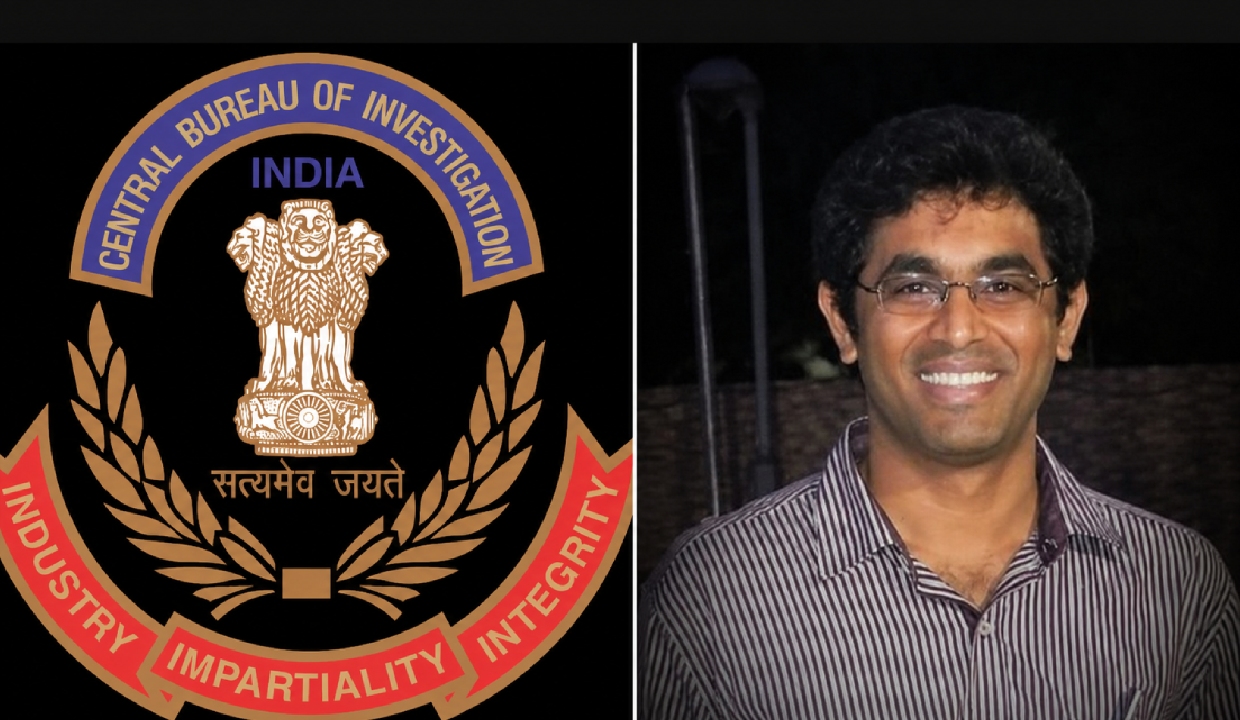
The Central Bureau of Investigation (CBI) has arrested an Indian Revenue Service (IRS) officer posted as the Additional Commissioner of Central Goods and Services Tax (CGST) in Raigad, Maharashtra. A CGST Superintendent from Raigad and a private individual were also arrested in connection with a Rs 40 lakh bribery case.
The arrests of Vinay Kumar Kantheti (IRS- 2009 batch), serving as Additional Commissioner of GST, and Rakesh Kumar Sinha, Superintendent of GST, took place on Thursday, a day after the CBI registered a case against the CGST Superintendent on Wednesday. The private individual has been identified as Narinder Rajput.
The officer is accused of demanding Rs 1.50 crore from the complainant to settle a GST and royalty dispute involving a stone-quarrying company. After some negotiation, the amount was reduced to Rs 40 lakh. The two officials reportedly asked a private person to collect the bribe and told the complainant to give the money to him. The CBI set up a trap and caught the private person while he was accepting the Rs 40 lakh bribe.
The CBI said both the CGST Superintendent and the Additional Commissioner later accepted the bribe. All three people have been arrested and will be brought to court. During searches at their homes, officials found another Rs 43 lakh in cash and jewellery worth about Rs 90 lakh. The CBI also said the investigation is still going on.
Raigad district, located in Maharashtra’s Konkan region, has extensive stone quarrying. These businesses have to comply with GST rules, pay royalties to the government, and obtain clearances from the CGST authorities. This case shows that illegal demands can happen during tax and royalty disputes. The Prevention of Corruption Act, 1988 (as amended) treats the asking for and acceptance of bribes by public servants as a serious crime.
The fact that both a senior IRS officer and a Superintendent were involved suggests there may have been collusion at different levels in the same office. Using a private person to collect the bribe is a common method in similar cases.
The CBI caught the transaction in progress by setting a trap during the collection. Later, they got acknowledgements from the two officers. Finding an extra Rs 43 lakh in cash and jewellery worth about Rs 90 lakh suggests the agency is also checking for possible unexplained assets. These findings are part of the ongoing investigation. The three accused will be brought before a special CBI court, where the agency will seek their remand for further questioning.
Stone-quarrying companies in Maharashtra must comply with GST rules and state mining royalty laws. Disputes about these issues can involve large sums of money, which sometimes leads to illegal demands. Lowering the original demand from Rs 1.50 crore to Rs 40 lakh after negotiation is similar to patterns seen in earlier CBI trap cases with tax officials.
The CBI has said the investigation is still ongoing. This usually means checking the stone-quarrying firm’s GST and royalty records, looking at the accused's financial transactions, and reviewing any other similar complaints. The case highlights the need for more transparency and accountability in handling GST and royalty matters at the local level.
This case also reminds us that senior tax officers are held to the same legal standards as other public servants when facing bribery charges. Next steps, such as chargesheets and court hearings, will depend on how the investigation progresses.
Leave a Comment
Comments (3)
I know him personally, he is very helpful and nice guy. I think he is due for promotion and that's why this politics.
India me kaphi corruption h law shir nam ka h
Just one instance but how Civil services Officeers Revenue servicsz officers etc etc amass huge wealth and properties, much beyond their known sources of income. It's really shame that hardly any one is punished. Their black money is source of funding for builders all over India i.e. in Metro cities, State Capitals, Builders have blessings of corrupt officers and politicians.