Boring is the new Cool
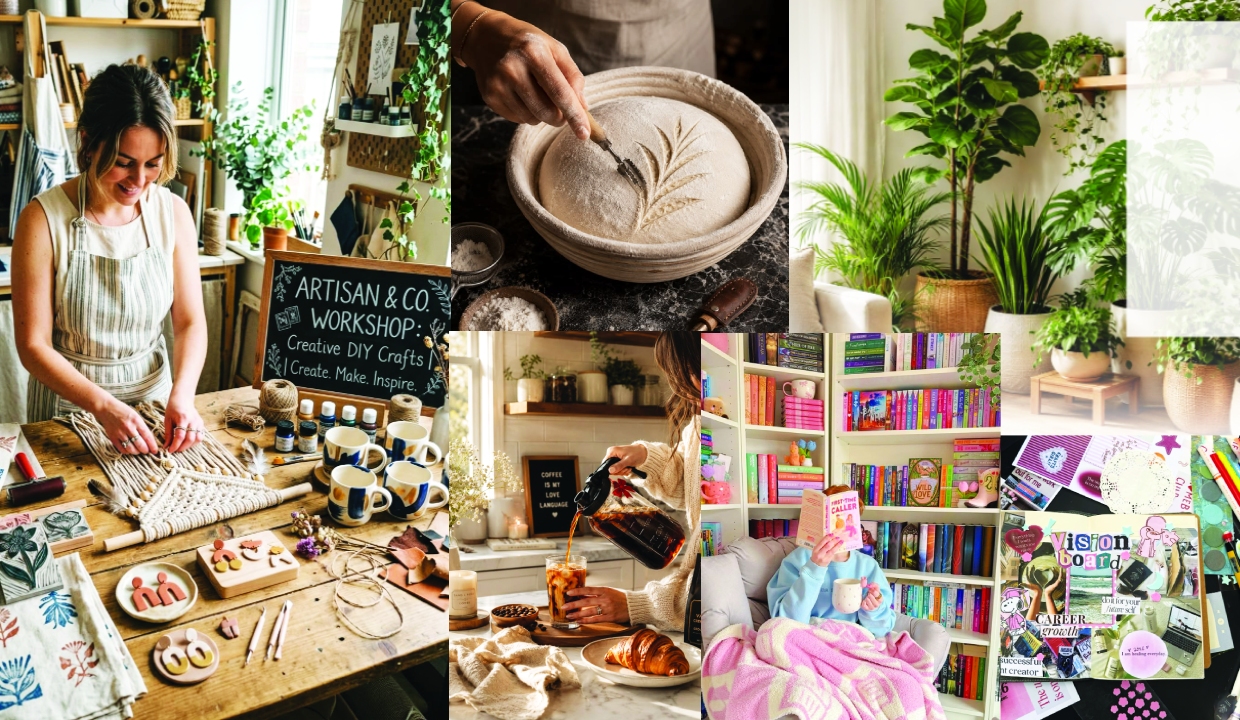
Once the ultimate insult, ‘boring’ has quietly become the highest compliment a life can earn proof that doing nothing loudly was always the real flex. Chat with people around the city and a rather amusing consensus emerges. Ask them point-blank, “Do you ever get bored just staying indoors to cook, sort the Sunday laundry, and drink coffee at home without stepping foot outside all weekend?” The answer usually comes with a quick laugh. “That is the coolest thing,” they will tell you. For this crowd, keeping the noise away and letting the day stand perfectly still is brilliant. That supposedly dull, quiet routine? They find it completely wowing. Remember the students who preferred reading quietly over loud gatherings? Peers assumed they were missing out, but those exact habits have slowly become what adults envy most. Working fourteen hours straight and bragging about total exhaustion was once considered the peak of personal ambition. Today, the picture looks entirely inverted. Young professionals pack up the minute the clock shows five, heading straight back to their rented rooms to build a personal sanctuary. Older generations might question the modern work ethic, but this choice feels deeply sensible. Setting a hard line at the end of the working day is a clear choice to have a life belonging to oneself rather than a company spreadsheet.
Now people are growing deeply tired of treating their days like an open theatre. The joy lives entirely in doing things off-camera without needing a single person to clap for it. A standard nine-to-five routine was once treated as a trap, yet it has turned into a sturdy anchor, giving people their evenings back. Outsiders might look at this domestic quiet and label it painfully dull. Going through a quiet, undocumented, highly predictable day happens to be the rarest treat you can find in a busy city right now. Could it be that our endless chase for the extraordinary was always a bit of a mirage? It turns out being proudly ‘boring’ might actually be the new cool. Here is a closer look at what is driving this cultural shift, alongside the slow hobbies capturing a deeply exhausted generation.
Botanical Nursery
Creating a dedicated corner in a modest apartment and filling it with deliberate routines elevates daily existence into a quiet art form. Filling rented windowsills with trailing ivy and terracotta pots takes serious dedication. Caring for leaves requiring months to grow provides a steady, grounded pace, making the cultivation of an indoor jungle incredibly chic right now.
Maker’s Revival
Spending hours sorting through faded postage stamps or looping yarn into a colourful crochet pattern brings a wonderful sense of calm. Many young people would much rather sit and craft a garment stitch by stitch instead of buying something off a store rack. Doing this slow and repetitive work by hand offers a beautiful break from a very fast world.
Journaling Desk
Fountain pens and heavy ruled notebooks create a beautiful private ritual. Shambhavi, a video creator and architect from Delhi, anchors her evenings here. “I have been in journaling since very long time,” she explains. “I create a page of whatever cafe I eat at, and a special self-love part in my journaling,” keeping her reflections delightfully unseen.
Sourdough Ritual
Feeding a jar of flour and water on the kitchen counter requires serious, ongoing commitment. Waiting two full days for a loaf to bake transforms a quiet weekend task into the most sought-after domestic reward.
Book Collector
Physical paper has dethroned the endless digital scroll. Rohan, a corporate worker, keeps his literary life completely private. “Recently, in 2026, I have already read 40 books,” he notes. “The plus point is doing it without uploading any success story on social media, because that is how I express myself.”
Dedicated Coffee Corner
Clearing a specific kitchen counter for brass kettles, ceramic filters, and manual bean grinders turns the early morning into personal theatre. Taking ten full minutes to brew one cup of coffee by hand proves that treating a daily chore like an art form is a highly refined choice.