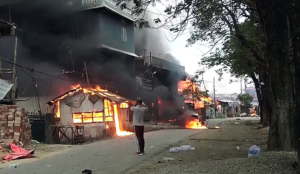
Blast in Himachal traced to pipeline from Punjab
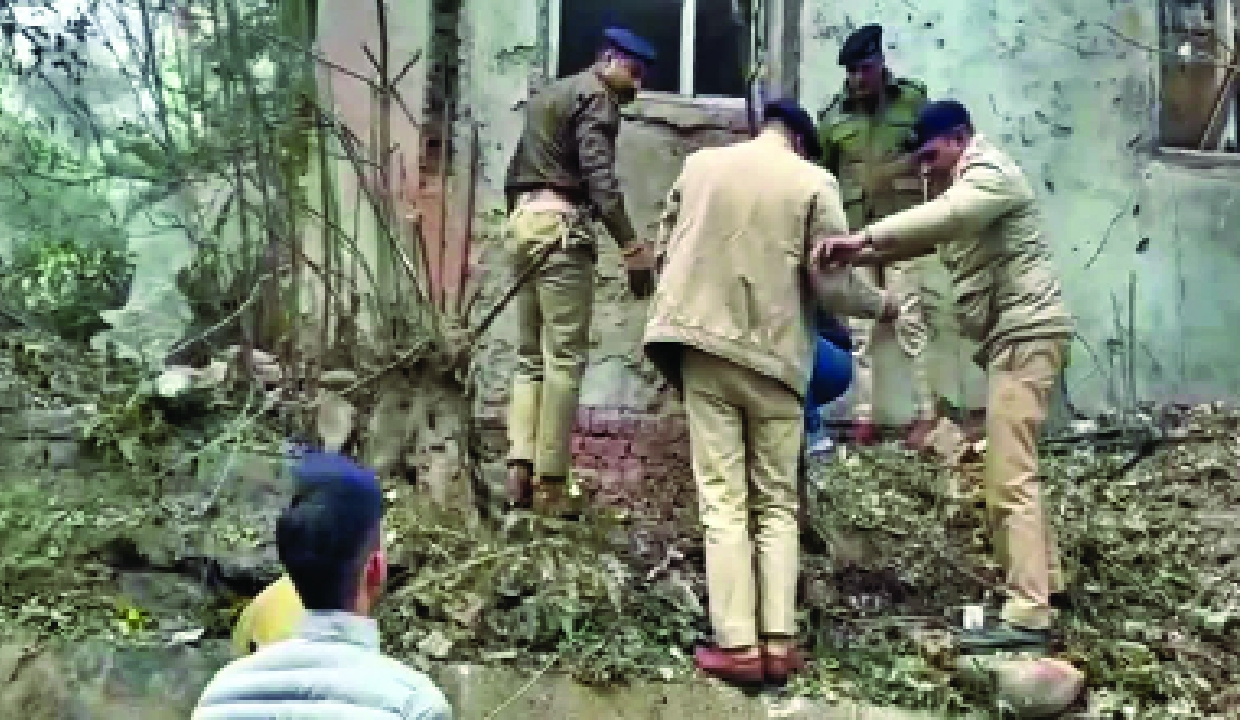
A device exploded near the Nalagarh police station on New Year’s morning, leaving a two-foot crater and scattering glass up to 40 metres away, but no one was killed. Eight months later, investigators have found a complicated network that includes foreign handlers, the Punjab-based Babbar Khalsa International group, a drug trafficking route, and young men acting as couriers.
The explosion happened around 9.40 am on January 1, 2026, near the outer wall next to the investigating officer’s room at the Solan district station. The blast damaged windows in nearby buildings, including an Army canteen. Himachal Police first registered FIR No. 02/2026. Later, the National Investigation Agency took over and, on May 8, re-registered the case as RC-27/2026/NIA/DLI under the Bharatiya Nyaya Sanhita, the Explosive Substances Act, and the Unlawful Activities (Prevention) Act.
Investigators soon rejected the first version of events. Within a day, Babbar Khalsa International and the Punjab Sovereignty Alliance claimed responsibility for the attack. In their statement, they claimed the motive was the trafficking of synthetic drugs from the Baddi-Nalagarh area into Punjab. They named overseas figures, including Gopi Nawanshahria, as planners and threatened more attacks on police vehicles and headquarters.
Punjab Police said the drug-related motive was just a cover, pointing out that the method matched earlier attacks on police stations in Punjab, where foreign handlers paid young people to carry out the attacks. They said ideology was only a front and that money was the real reason. The first major lead did not come from Nalagarh CCTV, which had limited coverage, but from an NDPS case at Rahon police station in Shaheed Bhagat Singh Nagar.
On January 29, Punjab Police arrested Shamsher Singh, also known as Sheru and Kamal, and Pardeep Singh, also known as Deepu, both from Rahon, and found an unused IED. On December 31, 2025, the two men and two others took an IED from Punjab to Himachal. Police said this device was used the next morning. The two men acted on orders from Shushant Chopra, who is close to Gurpreet Singh, also known as Gopi Nawanshahria, and BKI member Harwinder Singh Rinda.
On February 22, Counter Intelligence teams in Jalandhar and SAS Nagar arrested Mahavir, also known as Kaka, and Manpreet, also known as Mani, both from SBS Nagar. They were found with a 9 mm Glock and four live cartridges. Punjab DGP Gaurav Yadav said they had received RDX-based IEDs and hand grenades from foreign masterminds Gopi Nawanshahria, Jassi Kulam, and Shushant Chopra.
Six others involved in moving the equipment had already been arrested. Punjab Police said the group was dismantled. Investigators are focusing on three main findings: The blast was not planned in Himachal, the equipment was brought across the state border the night before, and the operation was directed from abroad. The team on the ground worked from Punjab, and the first lead came from a drugs case.
The NIA made its first arrests in this case on August 13 and 14: Mahavir Kumar, also known as Kaka; Ajay Mehra; and Manpreet Singh, also known as Mani. They appeared before the Special NIA Court in Shimla. Mahavir and Ajay Mehra were sent to police custody for eight days, while Manpreet was sent to judicial custody.
The agency said their involvement came to light during the investigation and that these arrests are just the start of uncovering a larger plot. Some suspects are still unidentified. Ajay Mehra is a new name in the federal investigation.
NIA’s main focus is still on the larger network, including how money moves and how the group operates. Other investigations into BKI and related Khalistani groups show how these activities are funded. NIA charge sheets in similar cases describe money moving through both informal and formal channels to hide the real sender of the arms.