Beyond the label lies the loom
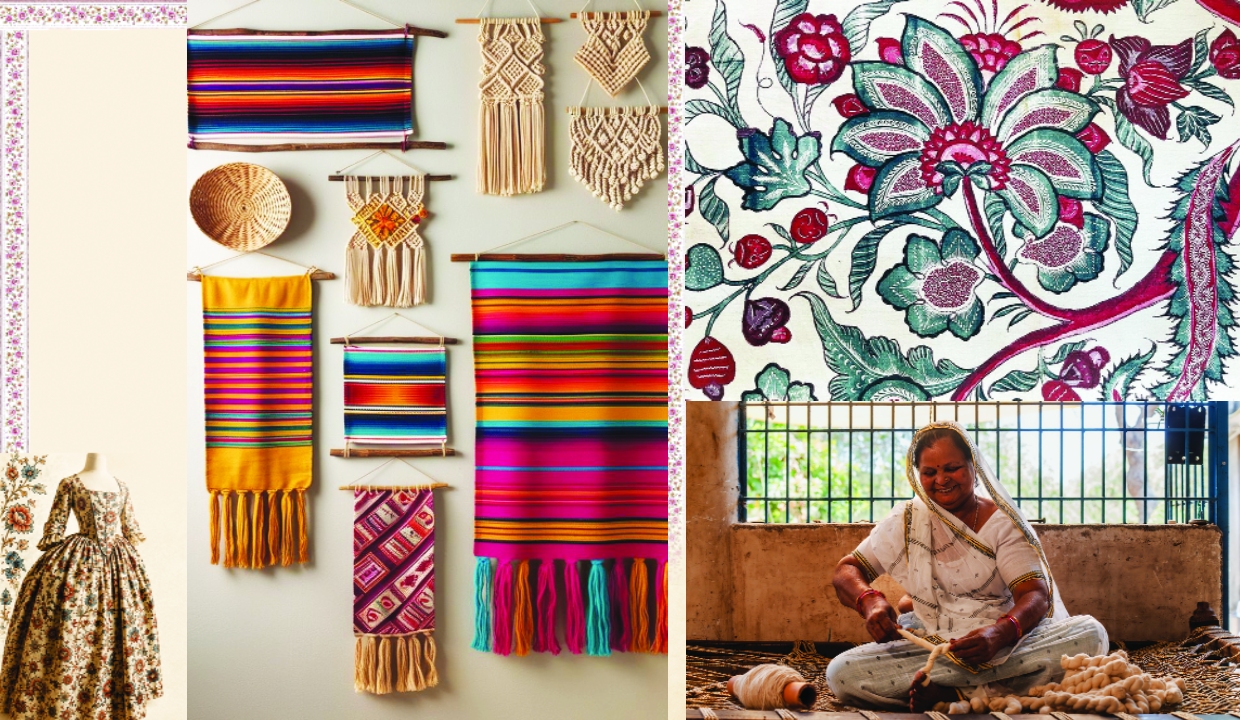
Chintz comes from Hindi chint, meaning spotted or variegated
Everyone called it chintz. This incredibly soft Indian cotton burst with bright painted flowers and twisting vines. Weavers along the Coromandel Coast and across Gujarat somehow created something genuinely special. They crafted a cheap, tough fabric that kept its vivid colors perfectly. By the late 1600s, this exotic cloth had quietly taken over European bedrooms and stuffed their wardrobes full.
Watching their customer base vanish left traditional European textile makers deeply terrified. Panicked craftsmen forced governments to intervene. France outright banned printed cotton in 1686, while England passed the strict Calico Acts by 1721. Yet, smugglers kept chintz alive. Manufacturers copied Indian patterns, producing fabrics that echoed its iconic florals. This beautiful textile rewrote global fashion and left a legacy that outlived protectionist decrees. We shall celebrate our handloom, not just one but every time.