Better to keep them separate: Arjun Erigaisi on online, FIDE chess ratings
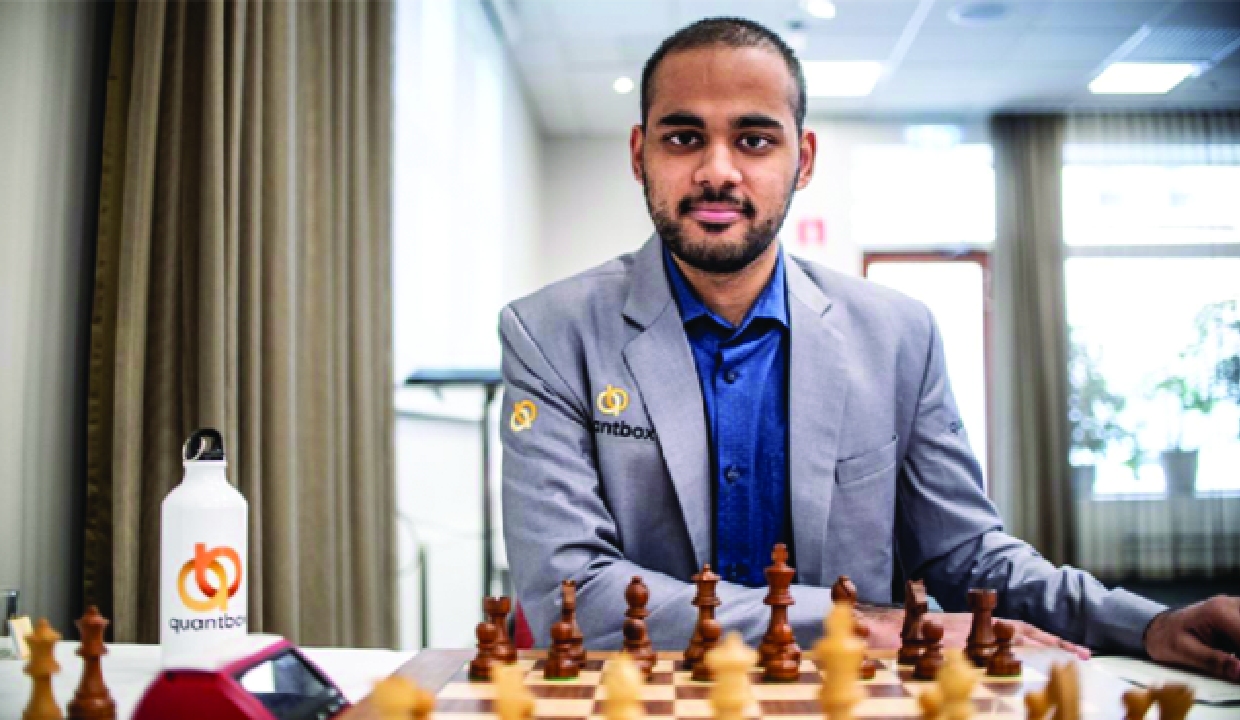
Ace Indian Grandmaster Arjun Erigaisi has reservations about plans to convert online chess ratings into a player’s first official FIDE rating, arguing that the nature of virtual play makes it difficult to guarantee the same level of integrity as over-the-board competition.
World Chess and FIDE has published a White Paper detailing a proposed two-year experiment to convert online rapid and blitz ratings into a player’s first official FIDE rating via World Chess. The proposal outlines fair-play checks, identity verification, and a proposed rating ceiling of 1,800. Arjun said he had not followed the proposal closely but immediately pointed to the fundamental differences between online and over-the-board chess.
“I was not aware of this. I didn’t think much. The first thing that comes to my mind is that online chess contains a lot of mouse slips, flagging and all this. While FIDE chess is quite different,” the 22-year-old told PTI during an interview. “Even in world blitz, which is the fastest time control, there is still no dirty flagging, no mouse slips. It’s better to keep both of them separate. But it’s not that I gave a lot of thought into it,” added Arjun, who finished in the quarterfinals in the chess tournament of the ongoing Esports World Cup.
The distinction, according to Arjun, becomes particularly important when players are competing from their homes, where there is no physical supervision.
“In an event like EWC, there is no way that anybody can cheat. But yeah, as for pure online events where people are playing from home, I know that chess.com and other organisations are trying their best. But I don’t think it’s so easy,” he said. “Essentially, people are at home playing and there is no one at the location to monitor them. So if they really want to cheat, there must be some way.”
Arjun also offered a measured assessment of World Champion D Gukesh’s recent struggles, saying the Indian GM’s results have not always reflected the quality of his play. Gukesh became the youngest world champion in December 2024. Since then, his results have been inconsistent. “To be honest, in Chennai, his quality didn’t seem so bad. The results feel otherwise, but his quality was fine, in my opinion. Like with me, he was actually playing a quite good game. But, in some situations, he was just taking one bad decision,” he said.