Bangladesh turns ousted Hasina’s official residence into museum
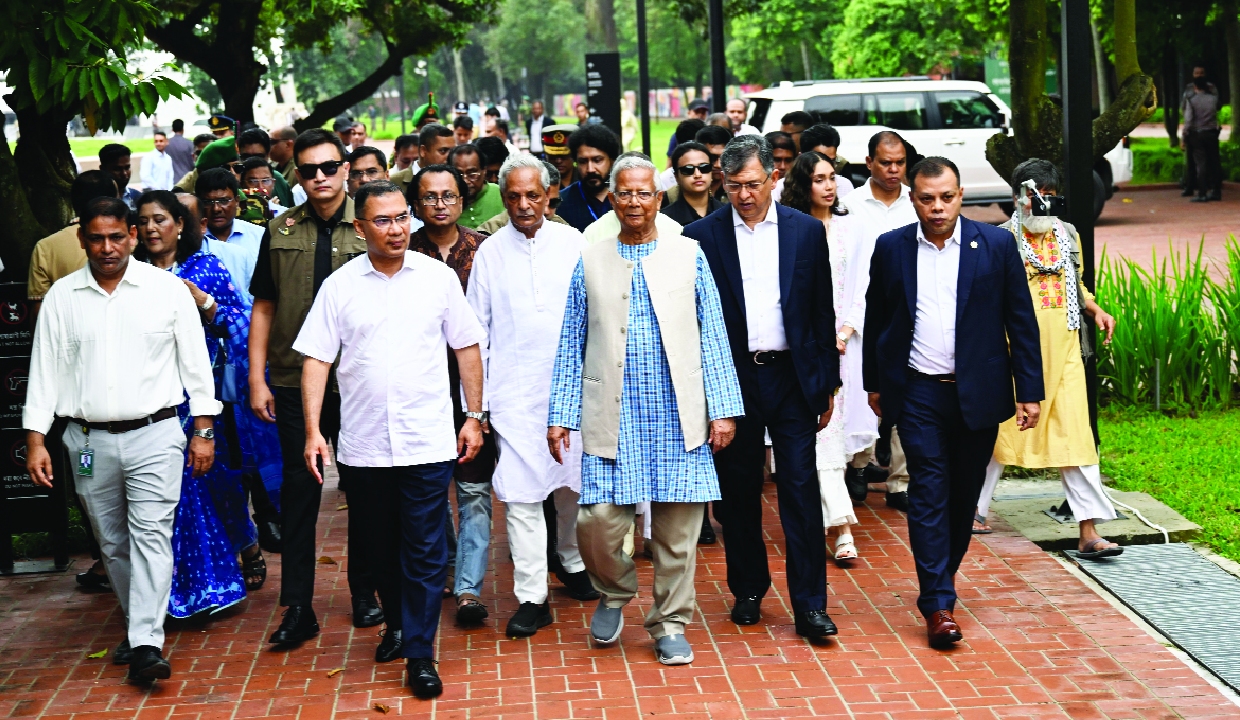
Amid tightened nationwide security, Bangladesh on Wednesday inaugurated a memorial museum to commemorate the victims of violence during the anti-government protests in 2024 that toppled Sheikh Hasina’s Government.
Prime Minister Tarique Rahman inaugurated the ‘July Mass Uprising Memorial Museum’ at Ganabhaban, the prime minister’s official residence during Hasina’s regime, coinciding with the day she fled to India on August 5, 2024.
“The killers in the anti-fascist movement will be tried in a transparent, impartial and credible manner following the due process of law,” Rahman said in a brief address while unveiling the museum’s plaque.
“Justice for every crime is essential to ensure rule of law,” Rahman said as the Interim government chief, Muhammad Yunus, stood beside him. The prime minister announced that government institutions would be named after slain activists of the uprising and those who were killed during the rule of Hasina’s Awami League since 2009.
According to a February 2025 UN rights office report, up to 1,400 people were killed between July 15 and August 15 last year, the period dubbed as the ‘July Uprising,’ as Hasina’s government ordered a security crackdown on protesters. Three days after Hasina fled to India following the widespread protests against her government over a controversial quota system in jobs, Yunus took over as the chief adviser of the Interim government.
A special tribunal set up by Yunus’ government gave Hasina a death sentence in November 2025 on charges of “crimes against humanity” and “genocide.” His interim regime, under an executive order, also banned Hasina’s Awami League that has been in power for many terms since 1971. The decision was endorsed by Rahman’s Bangladesh Nationalist Party (BNP) government after the February 12 elections.