Asian Games 2026 and the missed medal of long jumper Shaili Singh
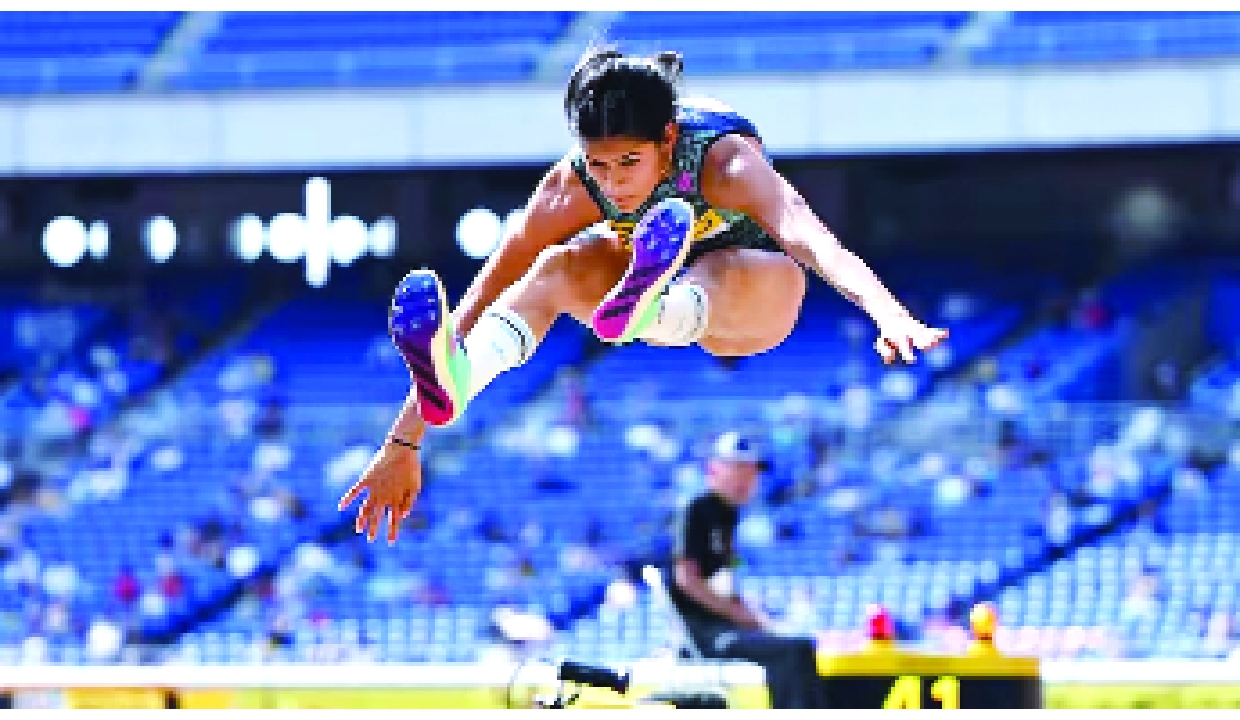
India’s performance was a matter of pride in the recently concluded Asian Games in Ngoyo, Japan. India finished at an impressive 4th position in the medals tally with Athletics being one of the main contributors of medals.
Women’s Long Jump was in limelight after Shaili Singh was declared 4th in the event. The Indian contingent believed her jump distance was measured incorrectly, and the correct distance would have earned her a podium finish. India lodged an official protest with the on-site Jury of Appeals of the event. However, India’s protest was turned down, thereby keeping Shaili at the 4th position for now. Subsequently, the Athletics Federation of India (AFI) has filed an appeal in front of CAS, Switzerland.
The appeal to the Court of Arbitration for Sport (CAS) was initiated by the Athletics Federation of India (AFI)-with backing from India’s sports administration-concerning a highly controversial measurement of long jumper Shaili Singh’s fourth attempt at the 2026 Asian Games. The decision to approach CAS came after an on-site protest by the Indian team was rejected by the event’s jury of appeal.
What is CAS, Switzerland
The Court of Arbitration of Sport (CAS), Lausanne, Switzerland, is the supreme body in the world for sports related disputes. CAS was established in 1984 and it focuses on arbitration and mediation to resolve sports disputes that are brought before it from any part of the world. The Jurisdiction of CAS includes global sports, resolving contract disputes, disciplinary issues, disputes in Olympic sports, and anti-doping matters. All CAS proceedings are governed under Swiss Law and final decisions given by CAS can only be appealed to the Federal Supreme Court of Switzerland.
There are 2 main tracks in CAS — Ordinary Arbitration division, Appeals Arbitration Division. The first handles first-instance commercial or contractual sports disputes. Appeals Arbitration Division, on the other hand, reviews decisions previously handed down by individual sports federations and governing bodies, once all internal remedies have been exhausted.
The Core of the Controversy
During the women’s long jump final, Shaili Singh finished in fourth place with an official best mark of 6.42m. However, the primary point of conflict is her fourth jump, which visually appeared to clear 6.50 meters-a distance that could have put her in contention for a medal.
Instead, officials recorded the jump at just 6.41 meters. They justified this shorter measurement by claiming that Shaili’s hair touched the sand behind her primary body landing position. Under World Athletics rules, a jump is measured from the take-off line to the very first break made in the sand by any part of the athlete’s body or anything attached to them (including hair).
Grounds for the CAS Appeal
The AFI is challenging the decision based on how the rules were implemented and a lack of procedural transparency:
“Official Overruling: The Indian camp alleges that the official closest to the landing pit had initially pointed to Shaili’s leg mark to measure the jump. However, an official standing much farther away intervened and insisted on measuring from a shorter mark. AFI argues the measurement should have relied on the official with the best line of sight.
“Withheld Video Evidence: When India immediately lodged a protest, officials only showed them a front-view video. The Indian camp argued a front view makes it impossible to judge the exact point of contact and demanded side-view footage. Officials initially claimed they did not have a side-view angle.
“Contradictory Jury Verdict: The Indian team took the case to the tournament jury. The jury ultimately dismissed the appeal, asserting they had looked at the side-view video and found the original measurement correct. The AFI finds this sequence of events highly suspect and structurally unjust.
What happens next
Because the Games’ operational timeline has concluded, this case moves past the temporary emergency “ad hoc” track and enters the formal Appeals Arbitration Division procedures. The legal roadmap for Shaili Singh’s case involves several distinct next steps:
1. Filing the Formal Statement of Appeal
2. Submission of the Evidence Dossier (Appeal Brief)
3. Constitution of the Panel and Response from Respondents
4. The Hearing Phase
5. Final Deliberation and Arbitral Award
Upon completion of the steps delineated above, the CAS panel will deliberate and issue a legally binding Arbitral Award. Under Swiss law (which governs CAS), the panel holds the authority to:
“Dismiss the appeal if they find the evidence supporting the hair-contact rule to be conclusive.
“Uphold the appeal if they determine that procedural injustice or structural error took place. If upheld, CAS can order the official results to be amended, which could retroactively alter the final long jump standings and alter medal allocations.
The road forward for India at CAS
India’s approach to CAS arbitration is currently on a case-to-case basis. As and when the need to file cases at CAS arises, a team of lawyers is put together. However, given that fact that India is turning into a sports powerhouse, sports disputes in the international arena involving Indian sportspersons are only bound to increase. Hence, India needs to have an official panel of Lawyers that specialise in CAS cases. This would not only secure justice for Indian sportspersons, but would also ensure that the country is not robbed of its sporting glory as and when such disputes arise in the future.
The writer is an Arbitrator & an Advocate in the Delhi High Court; Views presented are personal.