An Air of future, before the world catches up
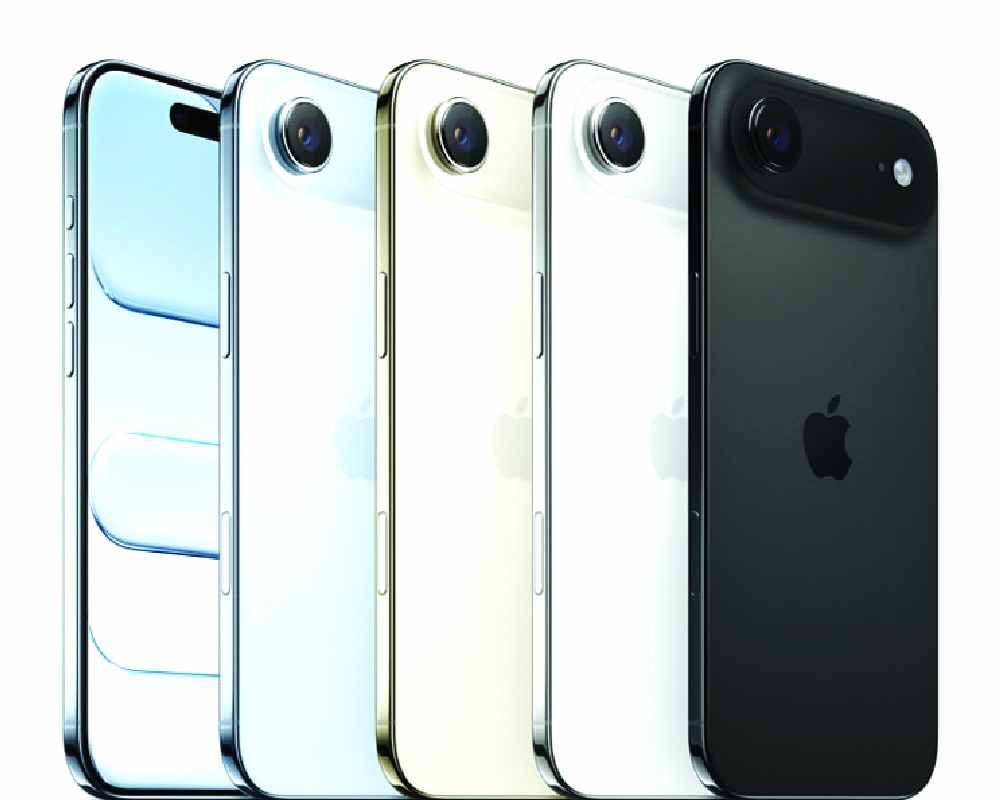
In a world where packing in bigger batteries and one too many camera lenses seem to be the order of the day; the iPhone Air feels equal parts wildly imaginative and borderline reckless. On paper, it has fewer cameras and the smallest battery of the new iPhone lineup, while starting at nearly forty thousand above the base iPhone 17.
Pick it up and every single apprehension disappears into this visceral feeling, with one often wondering ‘wow, where did the rest of the phone go?’, an emotion echoed by passers — by, grocery store cashiers, fuel station attendants and friends alike. Just for perspective, the Air is just 5.6 millimeters thick and weighs in at just 165 grams for a phone with a 6.5-inch display — the iPhone 17 Pro with its smaller 6.3-inch screen is 8.75mm thick and weighs 204 grams. And if you think the orange iPhone Pros were an attention magnet, they’ve got nothing on the iPhone Air. Unabashedly cool and unapologetically sexy, this is a design direction we haven’t seen Apple take in a long while.
In the hand, the Air is nearly all screen and battery and the closest way to describe it to someone who hasn’t seen one in person is to imagine a futuristic — looking sheet of glass in the hand. That effect is pronounced when you’re watching content on the Air, with the 6.5-inch display slotting in nicely between the base 17/Pro (6.3-inch) and the larger 6.9-inch Pro Max and offering the same viewing angles, inky blacks and rich colors, fluid 1-120Hz refresh rates and 3000 nits of peak brightness as on the rest of the lineup, not to forget the new anti-glare coating that’s a godsend in brightly lit office environs. Yet, it isn’t fragile in the least, with the titanium frame and Ceramic Shield 2 glass front protection ensuring that the few falls to the tiled flooring didn’t end in disaster. Not even a scuff on the metal frame, either…and there’s the regular IP68 dust and water resistance to weather the elements. The thinness does come at the expense of a second stereo speaker, and while Apple did retain all the buttons on the frame, Action button and Camera Control included, they did eke out some additional internal space by going the eSIM — only route with the Air.
Now, it’d be safe to assume that an ultralight, form — first phone would scrimp on power, but that was not with the Air and its A19 Pro chip inside – that’s the same chip inside the iPhone 17 Pros, albeit with one graphics core less. Expectedly, the chip has the grunt to blow the flagship Android competition out of the water and anyone plonking down big cash for the Air will appreciate the headroom for the future, but let’s be clear – while this may be a phone that can go toe-to-toe with the Pros on bursts of performance, one wouldn’t expect the typical Air user to want to go that hard on the device for sustained periods. Courtesy all of its internals being moved into the oval — shaped camera ‘plateau’ to maximize space for the battery, the Air can get toasty if you do anything more graphics-intensive. Just so long as you use it for everyday tasks — social media, photos, watching content and the occasional game — you should be good.
Speaking of, battery life was a big concern going into my ten — day long review of this device – super thin phones just do not have the space needed to fit in bigger battery units. Chalk it up to lowered expectations, but the Air did end up surprising me with about five hours of screen-time or about a day’s worth (between 11-12 hours) of use…but never enough to stretch it to the next morning without charge. Apple seems to have optimized the heck out of all the chips — the A19 Pro, the custom C1X modem and the N1 chip for Wi-Fi 7/Bluetooth 6 — to maximize battery life on the Air. But, the constraints of physics cannot be denied, and there were heavier days when battery anxiety would creep in by the evening, so if you’re the sort who travels a lot, I’d highly recommend picking up the new iPhone Air MagSafe battery, a slim battery pack that adds about 5-6 hours of use without adding too much bulk.
The one thing you cannot really work your way around is the single 48MP Fusion camera on the rear and while it is a solid single camera with excellent detail levels, wide dynamic range and a serviceable 2x optical quality zoom, it misses out ultrawide and macro shots altogether, and it’s hard to give Apple a pass on something that the competition has managed with their ultra — slim offering earlier this year.
The star of the show is the 18MP Center Stage camera on the front which utilizes a square image sensor to avoid all the finger calisthenics when trying to take a landscape selfie — you hold the phone vertically as normal, and the phone even automatically adjusts to a wider frame if there are more people in the shot.
In all, the iPhone Air may not be the most practical phone around — the base 17 is decidedly more so and the Pros are downright more performant. Yet, neither can do what the Air can — be impossibly thin and light yet be powerful enough for anything you’d want to do on a phone. It’s the phone you’ll secretly want, a piece of the future that you can buy today before the rest of the world catches up. Rating: 8/10 Price: `1,19,900 onwards