Algorithms under scanner
When Facebook took down Prime Minister Narendra Modi’s July 23 video for a short time, it sparked new questions about how algorithms operate. While reviewing major digital platforms, members of the Parliamentary Standing Committee and Government officials asked Meta to explain how its automated systems decide which content to flag, restrict, promote, or ignore. They said that a lack of transparency raises serious concerns about fairness, accountability, and possible bias.
Meta explained that the Prime Minister’s post was taken down by mistake due to a problem with its automated content moderation. People familiar with the company’s explanation said an AI filter designed to catch fake or edited media wrongly flagged the video. Reports sent to the Ministry of Electronics and Information Technology connected the issue to the platform’s content-discovery algorithm, which was then reviewed.
For a brief period, users in India saw messages about a legal request or warnings about harmful AI-generated content, even though the original post was an official address. Meta put the video back up and said the removal was not intentional. Still, the Government and the panel were not satisfied with this answer. They asked for a complete technical audit trail from when the problem was first noticed or reported until the video was restored.
Let’s look at how these algorithms work. For people across India, the information we see is selected for us, not random.
The algorithm is not neutral. Every morning, millions in Delhi check Instagram, X, and YouTube for updates. But what if what we see is not the most popular, but what the platform wants us to see? Social media algorithms are designed to keep us engaged, but more people are starting to worry that these systems can be influenced. ced.
Platforms can quietly boost some creators, political opinions, or topics while making others harder to find, and users often do not realise this is happening. This can happen in several ways. For example, a post might be shown to more people in its first hour so it becomes popular quickly. Certain keywords or hashtags might be hidden during protests or elections. Links to competing apps or critical news sites might spread more slowly.
To users, everything still seems normal. It appears that the algorithm is making the decisions. But these decisions have real effects. In a country as diverse as India, a biased feed can shape how people think about topics like NEET reforms or Jammu and Kashmir. Talented creators might be overlooked, and smaller voices can be drowned out. As a result, people may not get the full picture of what’s happening around them. India’s IT Rules already require platforms to be more open about removing content and moderating posts.
But the bigger issue is how content is ranked. So how does your feed decide what appears first? Experts say the key is to be digitally aware and look for different viewpoints.
This is why, during the August 3 meeting of the Standing Committee on Communications and Information Technology, lawmakers questioned Meta representatives about possible bias in their algorithms. They wanted to know why harmful content, such as material about the sexual exploitation of women or children, often remains online. Meanwhile, an official message from the Prime Minister was blocked for hours.
Lawmakers also questioned how well the algorithms can detect deepfakes, especially those involving the Prime Minister and other important figures. They pointed out that fake videos spread widely during recent student protests. They also asked who approved or oversaw the automated decision, whether a human review was done for verified high-profile accounts, and how the algorithm promotes content.
Parties such as the BJP, Congress, Samajwadi Party, and Aam Aadmi Party reached about 23 million people. Meanwhile, some new or unregistered groups linked to protests or special causes received even more promotion, with some reaching 27 million, and one new anti-reservation forum reaching seven million.
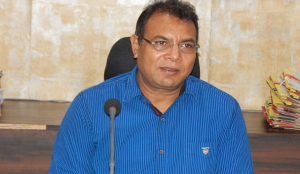
Chairman Nishi Kant Dubey suggested this means the platform’s rules might favour newer or more provocative content over established voices, which could impact public order and democracy. Meta said it is willing to review and change its algorithms and will share details with the Ministry of Home Affairs (MHA).