Airbus flags hydraulics failure in AI2379 plunge
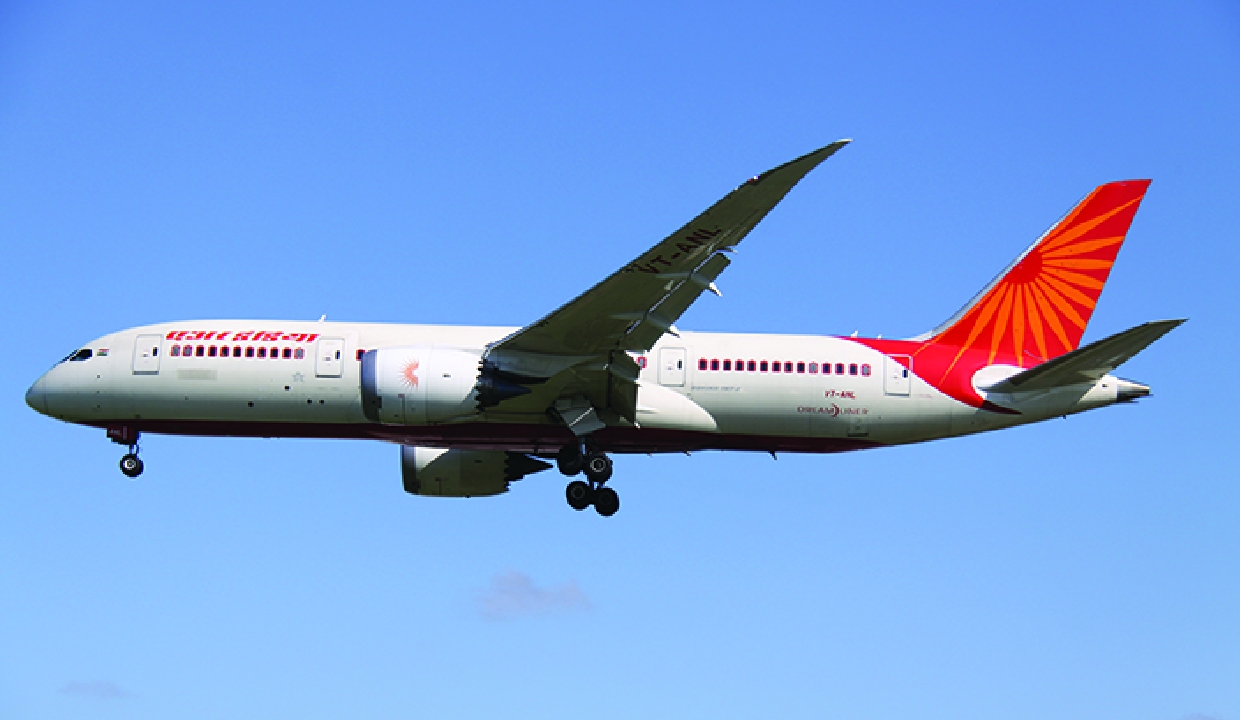
Initial analysis by Airbus of the Digital Flight Data Recorder from an Air India A320neo that plunged about 300 feet during a Phuket-New Delhi flight has revealed a complete, simultaneous loss of several key flight-control surfaces for roughly four seconds.
The elevators and ailerons on AI2379 became unavailable after failures in all three of the aircraft’s hydraulic systems, while the spoilers were also affected. During the four-second disruption, the elevators and ailerons reportedly moved without corresponding pilot commands, leaving the aircraft temporarily without normal control response.
The simultaneous failure of all three hydraulic systems is considered an unusual development and is now a central focus of the investigation. Airbus has not yet established what caused the systems to fail in such rapid succession.
Hydraulic power is essential to the operation of the A320’s primary flight controls. The elevators control the aircraft’s pitch, the ailerons control its roll, and spoilers alter lift and drag to help control the aircraft’s speed and descent. Airbus said the A320’s hydraulic systems are designed with redundancy, meaning the loss of one system would not normally cause a significant loss of flight control. The unusual feature of this incident was the near-simultaneous disruption of all three systems. Airbus has not yet established why the three hydraulic systems were affected.
The aircraft’s autopilot subsequently disconnected as the flight-control systems were disrupted. The co-pilot, who was flying the aircraft, then pushed his side-stick forward after stall warnings were reportedly generated in the cockpit.
A stall occurs when an aircraft’s wings are no longer producing sufficient lift to maintain controlled flight. In such a situation, pushing the nose down is a standard recovery action designed to reduce the angle of attack and restore airflow over the wings.
However, the co-pilot’s control input initially produced no corresponding nose-down movement because the aircraft’s hydraulic systems were unavailable. The aircraft’s flight controls became responsive only after all three hydraulic systems recovered several seconds later.
The findings provide the clearest indication so far of what happened during the critical seconds of the August 4 incident, but investigators are still examining the aircraft’s systems, sensors, wiring, maintenance history and recorded flight data before determining the underlying cause.
The incident injured 24 people, with 17 requiring hospitalisation. The aircraft was carrying 137 passengers and eight crew members.
The manufacturer has asked Air India to conduct further inspections, including checks of the hydraulic systems, pressure sensors, switches and wiring. Recent maintenance involving the hydraulic systems is also being examined. Airbus has additionally asked for inspections for possible structural damage after the aircraft experienced forces above specified limits.
The Aircraft Accident Investigation Bureau (AAIB) is leading the investigation, with assistance from Airbus and France’s BEA. Investigators are examining the aircraft, maintenance records, flight-data recorder, cockpit voice recorder and other technical evidence.
Air India initially described the event as turbulence-related but later referred to a sudden loss of altitude. The AAIB has cautioned against drawing conclusions before the investigation is complete.
The captain’s drug screening has also received attention after a preliminary test returned a non-negative result for a psychoactive substance. However, investigators have not established any connection between the result and the altitude loss.
The Airbus findings confirm that the aircraft temporarily lost important flight-control functions, but they do not identify the underlying cause. Investigators will now determine whether a component failure, sensor or wiring problem, maintenance issue, cockpit input or another factor caused the unusual hydraulic disruption.
Until the AAIB completes its investigation, the Airbus assessment remains preliminary and should not be treated as a final explanation of the incident.