AI locates Pench tiger after 2-month chase
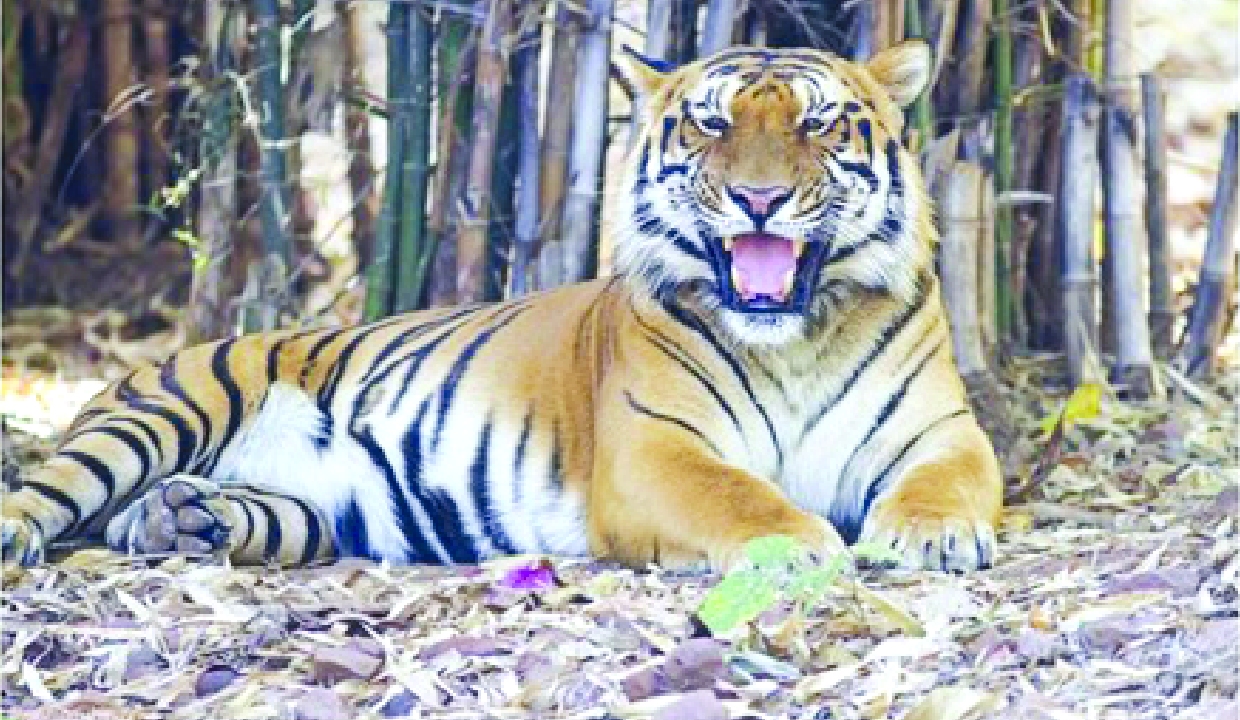
A tiger that had kept forest officials on edge for nearly two months in the Pench landscape was finally captured in a meticulously planned operation that combined traditional fieldcraft with Artificial Intelligence (AI)-based surveillance.
The big cat has now been shifted to Van Vihar National Park in Bhopal, where it will remain under expert care and observation.
The operation marked one of the first successful uses of AI-enabled technology in tracking an elusive tiger in Madhya Pradesh. According to forest department officials, the animal had repeatedly changed its movement patterns, frustrating conventional search efforts and making it extremely difficult for teams to predict its location. Despite continuous monitoring, the tiger managed to evade capture for weeks by moving through dense forests and remote terrain.
To break the deadlock, the forest department deployed seven AI-powered cameras across strategic locations, particularly along animal trails, water sources and suspected movement corridors.
Unlike conventional camera traps, the AI-enabled system analysed movement patterns and distinguished the tiger from other wildlife, enabling officials to receive precise and timely inputs about its location.
Based on the data generated by the surveillance network, forest officials narrowed down the tiger’s movement and prepared a carefully coordinated capture plan. More than 60 officers and frontline forest personnel participated in the operation, working in shifts and maintaining constant vigilance in the challenging terrain.
Once the tiger’s location was confirmed, veterinarians and wildlife experts tranquilised the animal following standard safety protocols. After a thorough health examination, the tiger was safely placed in a transport cage and shifted to Van Vihar National Park in Bhopal.
Officials said the successful operation highlighted the growing role of technology in wildlife conservation. The AI-based monitoring system not only reduced the time required to locate the tiger but also minimised risks to both field staff and the animal by enabling a targeted rescue operation instead of prolonged tracking.
The forest department described the mission as a significant achievement in wildlife management, demonstrating how technological innovation, scientific planning and coordinated teamwork can help resolve complex human-wildlife situations while ensuring the safety and welfare of endangered animals.