5 Bills, explained simply: What Parliament passed this Monsoon Session
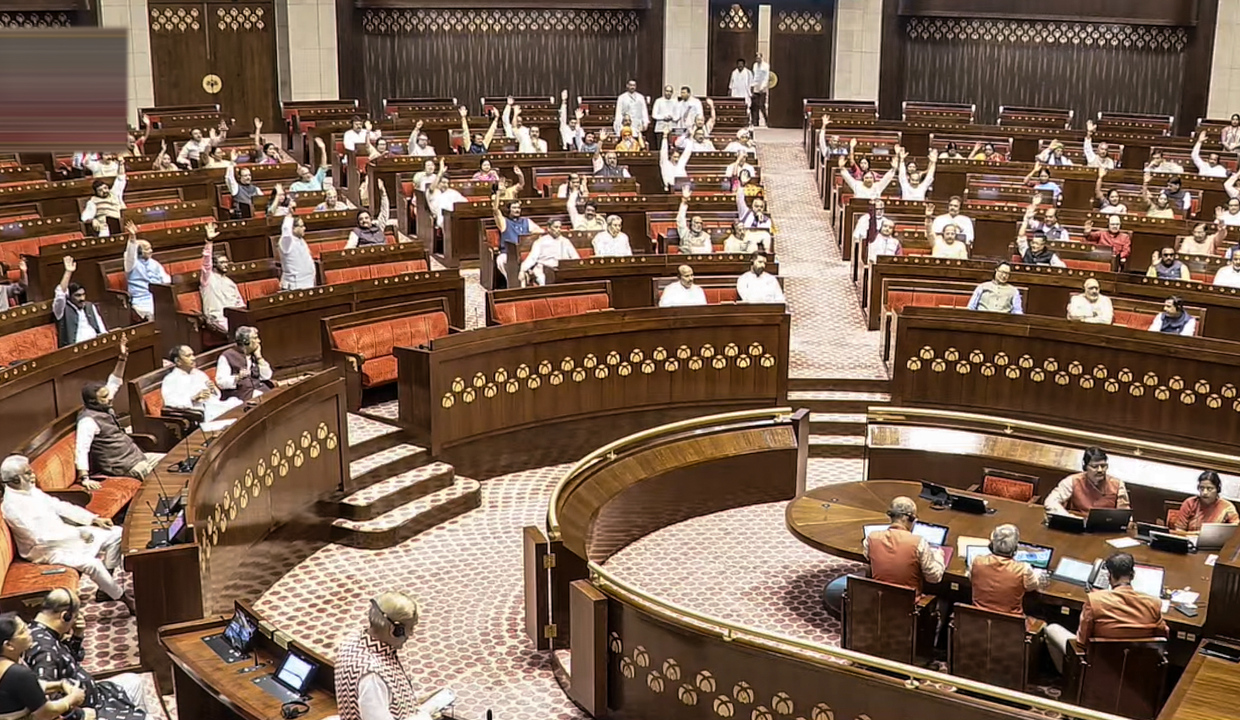
The Monsoon Session may have been marked by protests and adjournments, but it also delivered on some hasty legislation. Parliament cleared five significant bills that could affect businesses, governance, public services and everyday lives of citizens. Here’s what you need to know.
1. Public Examinations (Prevention of Unfair Means) Amendment Bill, 2026
The government claims that there is no more worry about a competitive exam paper leak, as this bill is meant to make that less likely or at least make someone pay for it. Penalties have roughly doubled across the board where an individual who cheats now face 5-10 years (up from 3-5) and fines up to ₹50 lakh (up from ₹10 lakh); service providers can be fined up to ₹5 crore (up from ₹1 crore); and if it's found to be organised crime, the minimum jail term is now 7 years with a ₹10 crore floor on fines. Companies caught helping students cheat can now be blacklisted for eight years instead of four, and a dedicated task force will investigate leaks within a strict two-month deadline. The Bill was passed by both Houses on July 29-30. The catch, Opposition MPs say, is that this law is just a deterrent measure, not preventive, as it punishes leaks only after they happen.
2. Prevention of Insults to National Honour (Amendment) Bill, 2026
Until now, only disrespecting the National Anthem was punishable by law. This bill puts Vande Mataram in the same category. Deliberately stopping someone from singing it, or causing a ruckus while it's being sung, can now land you up to three years in jail and repeat offenders can face a minimum one-year term. This Bill was cleared by Parliament on July 29-30.
3. Registration of Births and Deaths (Amendment) Bill, 2026
If you're reporting a birth or death within a year, nothing changes. But if you're late, say you're only now registering a grandparent's death from three years ago, you'll need a magistrate's approval, not just a form at the local registrar's office. One-to-two-year delays need a District or Sub-Divisional Magistrate's sign-off; anything older than two years needs a Judicial Magistrate. This Bill was passed by the Lok Sabha on July 31 and the Rajya Sabha on August 4.
4. Supreme Court (Number of Judges) Amendment Bill, 2026
The Supreme Court is getting four more judges. The court's sanctioned strength goes up from 33 to 37 judges (34 to 38 counting the Chief Justice), because the court is taking in more new cases each year than it's able to close. Over 75,000 new cases have been filed last year against about 65,000 disposal. Passed by the Lok Sabha on August 3 without any debate; still needs Rajya Sabha's approval.
5. MSME Development (Amendment) Bill, 2026
This one is for MSMEs which include the small manufacturers, shopkeepers, and service providers who often wait months to get paid by bigger buyers, including government bodies. The bill forces central government-owned companies to pay MSMEs through a tracked digital platform (TReDS), so payments don’t get lost in the system. It also swaps some criminal penalties for simpler fines, and empowers courts to order at least 50% of an awarded amount be paid, if a company faces a challenge to an arbitral award drags for more than six months. This Bill was passed by the Rajya Sabha on August 3.