3rd suspect held in Batala grenade attack, BKI-ISI link probed
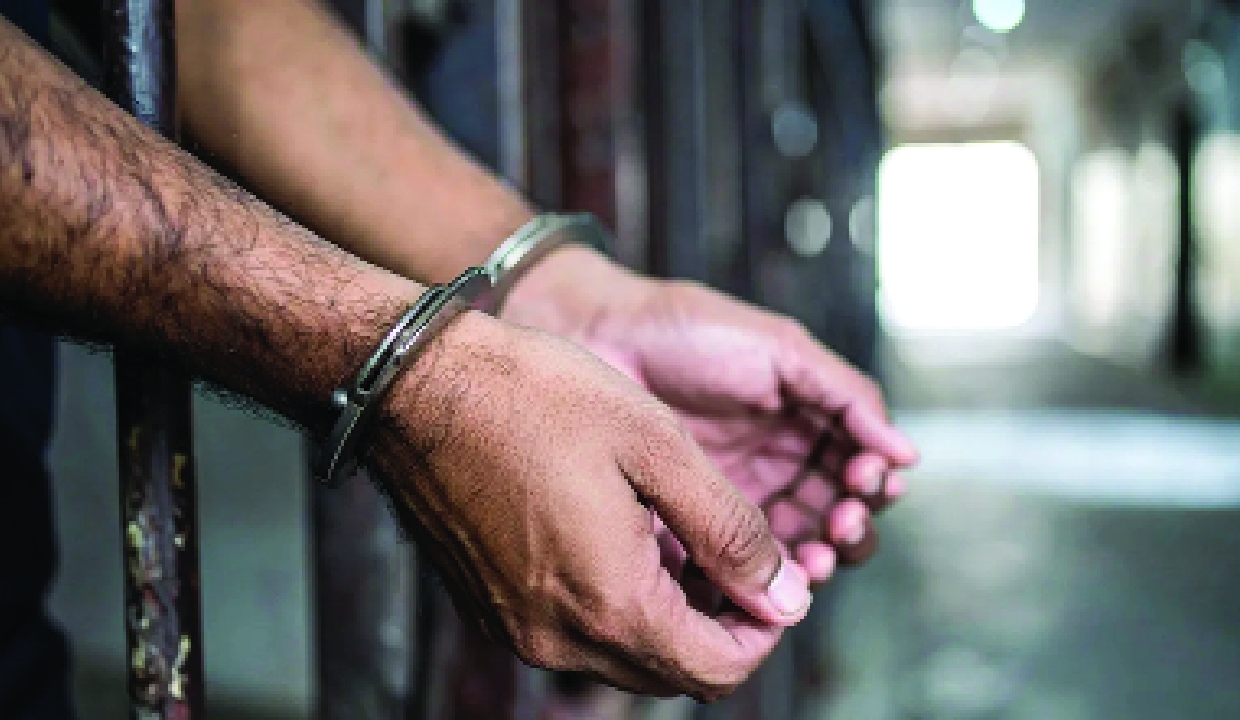
The Counter Intelligence (CI) wing in Jalandhar, in coordination with Batala Police, has arrested the third suspect in the August 1 grenade attack on the Urban Estate Police Post in Batala. This development highlights the ongoing challenge posed by transnational Khalistani terror networks in Punjab’s border areas.
Police say the arrested person is part of a terror group backed by ISI and led by a Babbar Khalsa International leader based in Portugal. Punjab’s Director General of Police, Gaurav Yadav, said early investigations show the group followed orders from their handler in Portugal.
No one was hurt in the August 1 attack, when a grenade was thrown at the police post. Soon after, BKI members claimed responsibility on social media, which matches a pattern seen in other attacks on police sites in border areas.
Earlier this week, police detained two juveniles linked to the attack during increased operations under Operation Prahar 4.0, which was started before Independence Day to tackle possible threats. Deputy Inspector General Harmanbir Singh Gill confirmed that three people took part in the attack and that the last suspect has now been caught.
After the attack, the third suspect went into hiding and was reportedly planning more attacks on police sites in Punjab, officials said. Investigators are now working to uncover the full terror network, find foreign handlers and local helpers, and understand how they are connected.
Security agencies have seen this pattern before over the past two years. Small local groups, often made up of young or financially struggling people from border areas like Batala and Gurdaspur, are recruited or paid small amounts by handlers living abroad. These handlers, often tied to the banned BKI and reportedly supported by Pakistan’s Inter-Services Intelligence, organise low-cost but attention-grabbing attacks on police posts to spread fear and propaganda.
Previous operations in the region have shown similar setups. In earlier cases in Batala and Gurdaspur, groups were directed by people based in Pakistan, like Harwinder Singh, also known as Rinda, as well as operatives in the US, Armenia, and Europe.
Portugal has often been a base for BKI-linked handlers, such as Maninder Billa, mentioned in past investigations. Young people have been recruited through social media, promises of money, or offers to help them travel abroad, and then asked to pick up grenades from hidden spots or carry out attacks. Investigators noted that using the BKI name makes regular crimes seem like organised terror, which increases fear even if the actual damage is small. DIG Gill said that anti-national groups use social media stories and money to attract vulnerable youth.
This arrest comes at an important time, with Independence Day approaching. Punjab Police have stepped up surveillance, raids, and preventive arrests as part of Operation Prahar. While these groups rarely cause large-scale harm, the frequent grenade attacks on police sites in border areas keep security forces alert and put pressure on resources. Investigators are trying to identify the handler in Portugal, track how instructions and explosives are sent, and see if the group had bigger plans.
The two juveniles and the newly arrested adult are the main members of the local group, and questioning them may reveal more about logistics, funding, and other members. Punjab Police have repeated their promise to break up these networks both locally and internationally.
The Batala case shows both the persistence of ISI-backed, Europe-based support for Khalistani violence and the success of coordinated, intelligence-driven policing in stopping attacks before they happen.
As the investigation goes on, Punjab Police officials urge the public, especially young people in border areas, to stay alert to online radicalisation and offers of money from handlers abroad.