20 people killed in PoJK poll violence
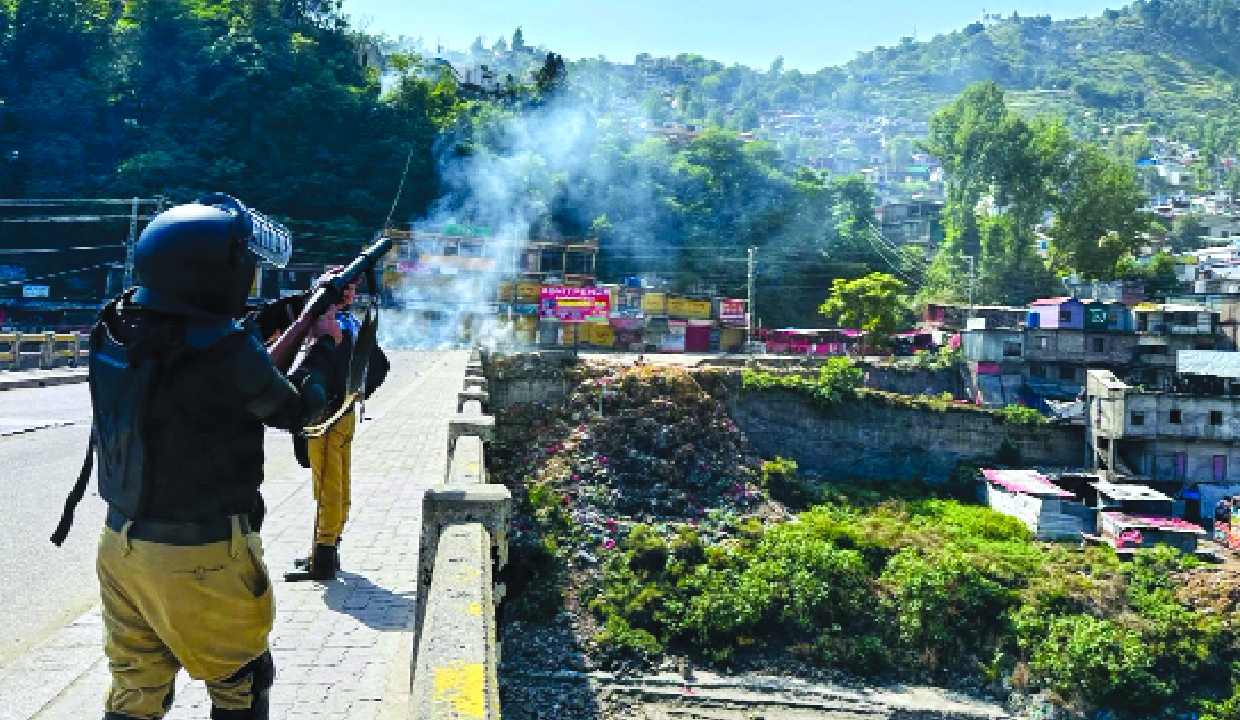
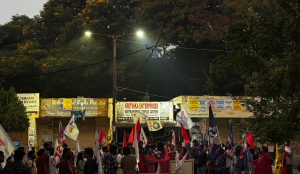
At least 20 people lost their lives, and dozens were injured in Dreik Eidgah and nearby parts of Rawalakot, during the first phase of legislative elections in Pakistan-occupied Jammu and Kashmir (PoJK). Security was strict throughout the elections. Thousands of protesters connected to the banned Jammu Kashmir Joint Awami Action Committee (JKJAAC) attempted to march. Security forces, including local police, Punjab Rangers, and the military, responded with live ammunition, tear gas, and snipers.
The JKJAAC reported that Usman Nazir, the brother of committee leader Sardar Umar Nazir Kashmiri, was among those killed, along with people from Kotli, Hajira, and nearby towns. Protesters said they saw bodies in the streets and experienced power outages. Electricity and phone service were cut, and most of the region has been without internet since early June. Maulana Fazlur Rehman of Jamiat Ulema-e-Islam (F) called the Rawalakot shooting “open terrorism” by forces “intoxicated with power” against unarmed people asking for their rights. He said the state failed to address these issues before they turned violent. Elections are taking place in phases amid heavy security, while sit-ins and marches continue. JKJAAC leaders say they will keep pushing for their demands.
Violence like this has happened before. Protests began between June 5 and 7, 2026, after the JKJAAC was banned under anti-terrorism laws and the Supreme Court reserved 12 out of 45 Legislative Assembly seats for refugees from Indian-administered Kashmir and their descendants living in Pakistan. The JAAC, which includes traders, lawyers, activists, and civil society groups, said these reserved seats reduce local representation and political influence for the region’s estimated 4 to 5 million residents. Economic issues such as high electricity bills, rising food prices, and unemployment have also fuelled the movement, with earlier protests reported from 2023 to 2025.
Reacting to the developments, the Ministry of External Affairs’ Randhir Jaiswal said at his bi-weekly media briefing. He reiterated that the entire Union territories of Jammu and Kashmir, and Ladakh, including the areas currently under Pakistan’s “illegal and forcible occupation”, are parts of India.
“India’s position on this matter has been clear, consistent, and well known. The entire Union Territories of Jammu and Kashmir, and Ladakh, including the areas currently under Pakistan’s illegal and forcible occupation, are integral and inalienable parts of India.”
“As we have stated earlier, the ongoing mass protests in Pakistan-occupied Jammu and Kashmir are the direct consequences of Pakistan’s economic exploitation, its denial of the people’s fundamental rights, and its administrative oppression,” he said. Jaiswal also responded to a question about many Pakistani experts discussing a shared Indus Valley civilisation between India and Pakistan in the context of the Indus Water Treaty (IWT), and whether it was an attempt at cultural appropriation.
“A country which has been promoting cross-border terrorism, which has been promoting religious fundamentalism and violence for decades, cannot have any claim to any pluralistic cultural legacy,” he said.
“Their abysmal track record on the protection of minorities and their cultural rights makes such desperate attempts look even more phoney,” he added.