2 lakh new M-PACS, White Revolution 2.0 reviewed in Raipur
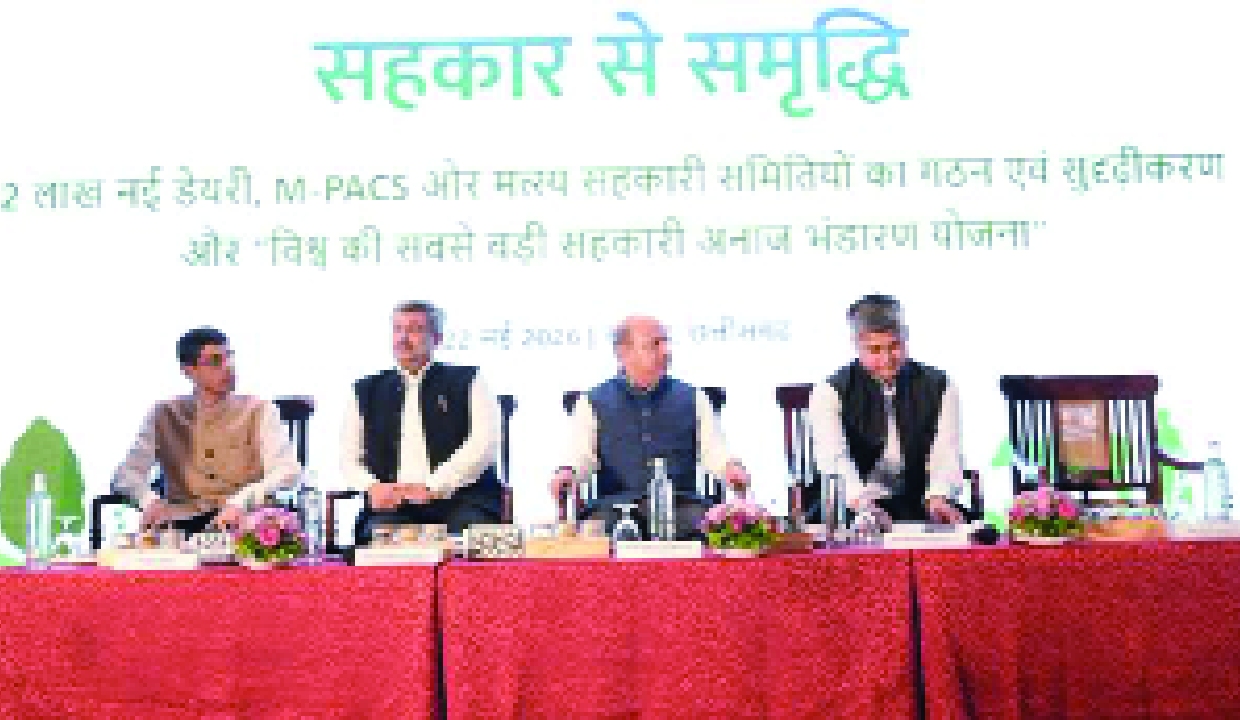
The Ministry of Cooperation on Friday conducted a high-level regional workshop in Raipur, Chhattisgarh, to review the progress of the ambitious project to establish two lakh new multipurpose cooperative societies, the execution of the World’s Largest Grain Storage Plan, and the roll-out of White Revolution 2.0.
The workshop saw active participation from senior administrative officials representing Bihar, Chhattisgarh, Jharkhand, Madhya Pradesh, Odisha, and West Bengal, alongside key institutional stakeholders, including NABARD, the Food Corporation of India (FCI), NAFED, NCCF, the National Dairy Development Board (NDDB), and various State warehousing corporations.
Addressing the delegates, Dr Ashish Kumar Bhutani, Secretary, Ministry of Cooperation, described the cooperative sector as the definitive “backbone of the rural economy.” Highlighting the successful precedents of dairy cooperatives in States like Gujarat, Dr Bhutani stated that White Revolution 2.0 holds immense potential to unlock economic prosperity across Eastern and Central India, leveraging the region’s abundant water resources, fertile land, and substantial livestock.
“The Central Government is fully committed to extending every possible support to the States, and coordination at the highest level will be ensured to drive these rural initiatives forward,” Dr Bhutani asserted, urging participating States to collectively resolve ground-level operational bottlenecks.
A central focus of the deliberations was the target to establish 75,000 new Dairy Cooperative Societies (DCS) and strengthen 46,000 existing ones over the next five years. Officials emphasised that the modern dairy movement has effectively transformed rural women from homemakers into financial entrepreneurs. By gaining direct access to organised markets, financial inclusion, and decision-making platforms, women are fundamentally reorganising the grassroots cooperative financial ecosystem.
“The dairy ecosystem must expand beyond milk production into bio-gas, organic fertilisers, whey protein, and carbon credits to insulate rural livelihoods from global energy crises,” the Ministry noted during the technical sessions.
Against the backdrop of ongoing global energy imbalances, supply-chain disruptions, and economic uncertainties, the Ministry strongly advocated for sustainability and circular economy models within the cooperative architecture. Delegates were urged to adopt Compressed Bio Gas (CBG) infrastructure and GOBARdhan-based frameworks to enhance India’s energy security and reduce dependence on imported resources.
Dr CR Prasanna, Secretary of the Cooperation Department in Chhattisgarh, welcomed the initiative and highlighted that the State administration is prioritizing grain storage infrastructure, bio-gas ventures, and dairy development.
The technical sessions of the workshop also scrutinized the onboarding of Primary Agricultural Credit Societies (PACS) under the Warehousing Development and Regulatory Authority (WDRA) framework, the revival of non-functional cooperative bodies, and strategic export promotion through the National Cooperative Exports Limited (NCEL).