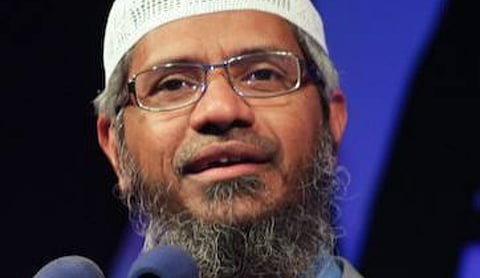


Hyderabad: The Ministry of Home Affairs (MHA) on Friday (November 13) extended the ban on Islamic preacher Zakir Naik's Islamic Research Foundation (IRF) for another five years under the Unlawful Activities (Prevention) Act (UAPA), citing concerns over national security and communal harmony. The fresh notification came a day before the existing ban was due to expire on November 14. The Centre said the organisation's activities could threaten peace and disturb the country's secular fabric.
Why has the Centre extended the ban?
In its notification, the Home Ministry accused Naik and his organisation of encouraging religious hostility and influencing young people towards extremist activities. The government described Naik's speeches as objectionable and alleged that his statements had promoted hatred between religious communities. It also claimed that his speeches, circulated through television, the internet and social media, had influenced audiences in India and abroad. Home Minister Amit Shah tweeted on his X, explaining the reason for the ban, "Led by fugitive terror preacher Dr Zakir Naik, the organisation has been involved in sinister anti-India designs, including inciting communal hatred and promoting terrorism".
The ministry warned that allowing the organisation to resume its activities could lead to renewed efforts to spread communal disharmony, support militancy and undermine national security. The allegations form the basis of the government's decision to continue declaring the IRF an unlawful association.
Ban dating back to 2016
Naik established the Islamic Research Foundation in Mumbai in 1991. The organisation was first banned in November 2016, amid scrutiny of Naik's speeches following a deadly terrorist attack in Dhaka, Bangladesh. Reports had linked some of the attackers' alleged ideological influences to his preaching. The government renewed the restrictions in November 2021. The latest order extends the prohibition for another five years. Naik, who left India in 2016, currently lives in Malaysia, where he has permanent residency. Indian authorities have repeatedly sought his extradition to face allegations involving money laundering and incitement to extremism. Naik has previously denied allegations of promoting hatred, maintaining that his statements have been misrepresented.
(With inputs from agencies)