
Alcoholism is an issue, prohibition is no solution
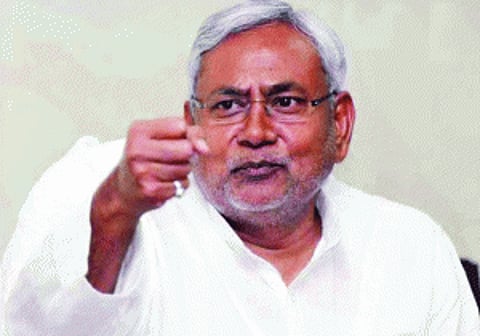
Total prohibition in Bihar was the way Nitish Kumar greased the wheels on the carriage that returned him to power. Of course, that carriage was powered by lalu Prasad, but there is no doubt that the promise of prohibition garnered votes for Nitish Kumar, who was determined to show up Narendra Modi who had humiliated him in the 2014 general election. And say what you will about Nitish Kumar, he is a man of his word — within days of assuming power for the third time in Bihar, he declared the State dry through an Ordinance. This took several of his well-wishers by surprise, as tax revenues from alcohol sales provided a good sum of money to this desperately poor State. However, emboldened by his success in Bihar, Nitish Kumar went around selling his brand of prohibition across the country. This inspired even the DMK in Tamil Nadu to promise total prohibition in its manifesto. The UDF Government in Kerala, which had made a ham-fisted attempt at prohibition in its State, promised to take matters further. Voters in both the southern States rejected the promise. But in Bihar, things moved from bad to worse. The full strength of the law was used to catch prohibition offenders; stories emerge that make the prohibition warriors of 1920s America look mild in comparison. Rapes and murders be damned, the police force of Bihar was for the past few months totally involved in wiping out alcohol. Border checkposts had a singular purpose: Prevent alcohol smuggling. Even people transiting through the State on trains with a bottle could be arrested, as an Army Captain discovered to his peril. The manufacture of sacramental wine too was banned by the Bihar Government. Other draconian provisions sought to arrest whole households if a bottle was found inside. Indeed, after the Patna High Court struck down the first prohibition law, Nitish Kumar’s Government has enforced a harsher Act. Though the worst parts of the proposed law were kept out after public opinion, even Nitish Kumar’s well-wishers in Delhi were against the law. Yet, there is no doubt that Nitish Kumar’s mind, so finely attuned to political mathematics, had calculated the gains from such a provision. Alcoholism is a deep-rooted social problem across rural India, with the easy availability of distilled alcohol. As the menfolk drank their savings away, women across Bihar railed against alcohol. Nitish Kumar dialled into that frustration, despite the misgivings of his partymen, political allies and those in charge of the State exchequer.
While the frustration can be shared, banning alcohol or even imposing prohibitive taxes is not the solution. After decades of trying prohibition, Gujarat has now made it easier to acquire alcohol. Gujarat has succeeded to a large extent in wiping out the scourge of alcoholism by having proper de-addiction facilities. It’s a model other States can adopt as well, because alcoholism is not only a scourge that impacts the poor; it hits every segment of society. Yet, in India, there is no cultural aversion to alcohol. We are not Saudi Arabia or Brunei, nor should we aspire to be. The occasional drink never hurts, but we must fight alcoholism. Unfortunately, Nitish Kumar has promoted prohibition to burnish his electoral credentials but has missed the woods for the trees.