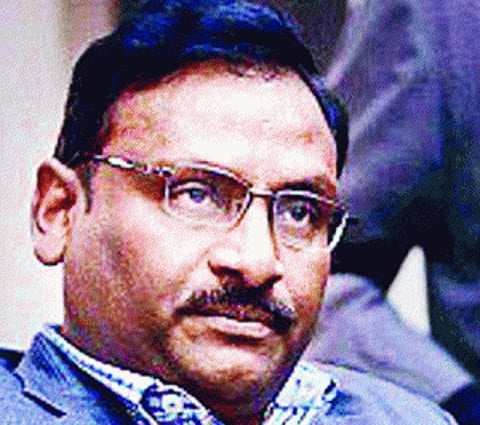

Saibaba life-term big blow to Maoist apologists
By sentencing Delhi University academic GN Saibaba to life-term for his Maoist links, a court in Maharashtra has given the powerful message that those collaborating with insurgents who challenge the very idea of democratic India and its institutions, deserve no mercy. Coming as it does in the backdrop of renewed secessionist-laden unrest in a college affiliated to the very university Saibaba has been associated with, the timing could not have been better. Saibaba has been convicted and sentenced by a Principal District and Sessions Judge under the Unlawful Activities (Prevention) Act — UAPA — for “being members of a terrorist gang or organisation and offences relating to support given to a terrorist outfit and waging war against the nation”.
The judge was rightly unbending in his pronouncement, going to the extent of saying that even life imprisonment was “not a sufficient punishment”, but that it had to suffice for now because “the hands of the court are tied with the mandate of Sections 18 and 20 of the UAPA”. Saibaba had been claiming innocence all along, and his comrades in the left-liberal brigade had been active and vociferous in condemning the trial against him as being an attempt to muzzle the freedom of expression. All of that stands discredited now. Though Saibaba has legal options to challenge the verdict, and he surely will, there is no denying for the moment that he was complicit in helping out Maoists who think nothing of snuffing out innocent lives in their so-called battle for social justice. His sympathisers are in shock because they maintain there was ‘no case' against him.
The Gadchiroli court, in Maharashtra, not coloured by a (misplaced) ideological fervour, thankfully, thought otherwise. Saibaba's roll call of dishonour is long: He is said to have been engaged in Maoist/Naxal activities since his college days; he is alleged to have been the mastermind of many attacks on police personnel in the then united Andhra Pradesh; he was under the Andhra Pradesh Police's scanner and had been picked up on various occasions; and just two years ago, he was arrested by Maharashtra Police for operating a front for the Maoists and having links with ultras in Chhattisgarh. He secured bail in the Maharashtra case. Clearly, Saibaba's area of operation was the Maoist regions of Andhra Pradesh, Chhattisgarh, Maharashtra, and perhaps beyond.
He had tried to deflect attention from his dubious activities by raking up ‘humanitarian' issues, such as the condition of inmates in prison — and not surprisingly, he found support from his colleagues and co-thinkers who happily skipped the serious charges that he faced. Saibaba had not limited his nefarious work to India; he had travelled abroad extensively, spreading the message of hate against elected Governments of the time in India. The question that needs to be asked is: Why is it that Governments have over the years, been so lenient to himIJ Because, had the political system given a free hand to the investigation agencies and the law enforcement arms such as the police, Saibaba's activities would have been nipped in the bud long ago. It's not too late even now. The prosecution must gear up to defend its position before the higher courts and not let Saibaba escape punishment with the aid of legal loopholes.