
With Brexit, Eurosceptics register landmark win
After a historic vote for Brexit (Britain’s exit) on Thursday, India needs to get prepared for its fallout on the country. Both Finance Minister Arun Jaitley and Reserve Bank of India Governor Raghuram Rajan together allayed the fears of a strong impact of Brexit on the economy. It seems the Government is well prepared to deal with any eventuality of the historic exit. The Government has already laid a solid foundation to the economy backed by planned reforms, therefore, it is likely that India will be able to withstand any possible setback of Brexit. Compared to other economies, India is having a strong macro-economic fundamentals with a very comfortable external position as Finance Minister says might be possibly backing the strong repercussion of Brexit. Further, solid fiscal discipline and declining inflation would mostly help preventing any significant fallout of the exit vote in Britain.
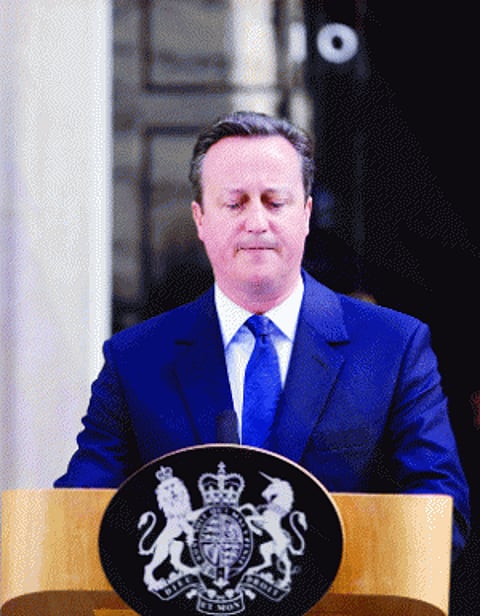
The Britons have decided to leave their 43 years of union with the EU. In fact, the peevishness of the entire campaign has almost blurred the importance of what is at stake both for UK and the EU as well. Many regard ‘June 23' as their independence day, but from all counts the negative impact of the Brexit on the British economy will be higher. This will lead to further economic turmoil and political strife. As the first reaction from a devastated Prime Minister David Cameron comes, he is all set to resign from his position, signaling a change of guard at the helm for the ruling Conservative Party of Britain. He has stated that it is not right for him to be the captain of the ship and the country needs a new leader to take it to its new destination. His failure to convince the Britons simply suggest that the top priority for most of the Britons was to see their country out of the EU's ‘one size fits all' regime. It indicates that Brussels should no more dictate the future of Britain and the local affairs or what best suits the country must be decided one and only in london. This makes a new chapter in EU's history which now will record Britain as the first member to leave the 28 member club of some the richest nations of the world. The loss of one of the EU's biggest members will create a deep wound in the global power status of the EU. Eventually, this will generate fear, restlessness and sense of powerlessness in many of the members of the Union. The recent tide of xenophobia and economic nationalism heralded by the likes of Marine le Pen, Nigel Farage etc. in Europe and Donald Trump in America would be heading for an edge by marking a defeat of the liberal order that has underpinned the prosperity of the society, polity and the economy of the West in the past.
Talking of taking back control of Britain from the clutches of the EU was of course the guiding principle of the leave campaigners throughout. It was mostly spearheaded by the fear of migration and a call for bringing back the independent identity of the nation. But many across Europe feel that Britain may not get a favorable treatment after an exit vote. The options now with Britain are very less-either it can remain as a part of the EU's single market like that of Norway under the arrangement of European Economic Area. Under this, Britain will have to accept the free movement of labour and observe almost all regulations of the Union, losing all rights to change the same. Again, Britain has to contribute heavily to the EU budget for availing this privilege. As the leave campaigners central focus was immigration and, hence, a Norway-type provision would not be acceptable for them. It is unclear at the moment how a new Tory leader would win the confidence of the Parliament or else failing, it would mean an autumn general election for the country. Whatsoever it may be, an emerging economy like India must wait and watch carefully the developments in Britain in the post-Brexit scenario as no single economy can afford to escape the impact of Brexit globally.