
Author: Sanjeev Vidyarthi
Social innovation is routinely associated with the development and implementation of incremental solutions, prioritising shared values, social justice, equity and gradual change. However, our rapidly changing world, driven by the growing consequences of emerging climate change, rapid urbanisation and frequent technological disruptions, presents intertwined problems that rarely fit within the bounds of conventional thinking, and certainly exceed the boundaries of any single discipline.
Addressing these complex challenges requires inventive social innovations that emerge from a deeper understanding of the everyday problems our communities face, followed by the clever application of pragmatic knowledge, existing skills and traditional methods to develop practical and implementable solutions.
Design plays a critical role in this process. Often misunderstood as an arcane set of abstract ideas, contemporary design is a human-centred, iterative and adaptive way of visualising and solving problems by thoroughly understanding the context and then mindfully conceiving a diligent solution. When conceived and applied thoughtfully, design can address existing inequalities in access to essential services, critical infrastructure, basic education, primary healthcare and inclusive economic opportunities.
A design-led pragmatic approach is particularly relevant for India’s rich cultural, social and geographical diversity. A solution that works effectively in one region or community may not be appropriate elsewhere. Consider the challenges of improving access to healthcare in underserved communities, developing affordable housing or designing public spaces that accommodate people of different ages and abilities. These are not simply technical issues or problems demanding better aesthetics. They involve comprehending interconnected questions of affordability, accessibility, social behaviour, infrastructure and institutional arrangements. Addressing them then requires productive collaboration among designers, engineers, social scientists, policymakers, service providers and community members.
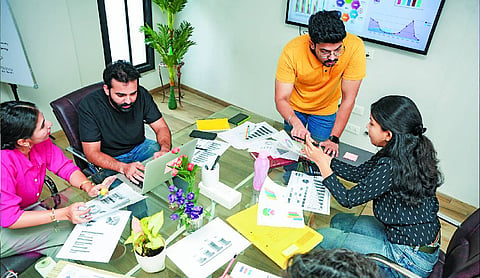
This is where interdisciplinary thinking becomes particularly important. Socially responsible design needs to begin with contextual enquiry and direct engagement with place-based communities we aim to serve. Conceived in this manner, design can help connect diverse forms of expertise, translate complex problems into actionable interventions, and help evaluate proposed solutions against the realities of implementation.
The positive impact of thoughtful design is already visible in our everyday lives. From better-designed airports and railway stations to inclusive public spaces and user-friendly everyday products, design makes our daily lives more comfortable. However, such interventions frequently remain limited in their reach. The larger opportunity lies in making design-led innovation a mainstream practice, extending accrued benefits beyond individual projects to the larger society, focusing on improving accessibility, affordability and quality of life across communities.
As India pursues the ideal of Viksit Bharat, social innovation must contribute to development that is not only technologically advanced and economically productive, but also inclusive and equitable. Realising this vision requires an appropriately skilled workforce that understands the social, economic and environmental complexities of development and possesses the capabilities to translate them into practical interventions. Higher education institutions play a vital role in developing such a workforce. Design education at progressive schools like Anant has already begun to move beyond isolated studio exercises, offering students regular opportunities to engage with real-world challenges. Immersive learning experiences, community collaborations and partnerships with industry and public institutions help young professionals understand how social, economic and environmental considerations fundamentally influence design decisions.
Such experiences also encourage them to exercise diligent judgement, question pre-existing assumptions and recognise the ethical implications of their work. The objective is to prepare technologically adept, socially empathetic and responsible professionals who can develop practical solutions while respecting the knowledge and agency of the communities they serve.
Ultimately, building more equitable futures requires moving beyond designing for communities towards designing with them. The true measure of social innovation lies not in the novelty of an idea, but in its ability to expand opportunities, improve everyday experiences and enable more people to participate meaningfully in the development of society.