
Good communication skills, a focus on detail and careful attention to procedure are essential to become a successful radiology technician. Aruna Singh tells you more
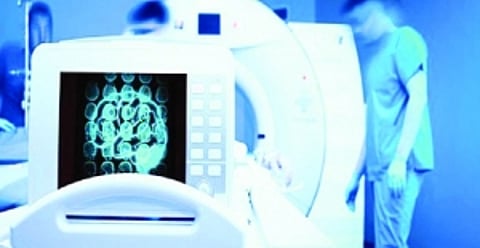
Have you ever notice those guys in hospital gowns who escort patients for an X-Ray CT-Scan or Chemotherapy? They are the ones who operate the machine for you and later interpret the results for doctors. The word used for them are Radiographers.
Radiographers, also known as radiologic technologists, are certified technicians who capture images of organs, bone and tissue for patient diagnosis. Radiographers are equipped with the technological skills to handle imaging equipment and the interpersonal skills necessary for patient care.
Educational and licensure requirements vary by state and profession, though completion of a certificate or two-year degree programme is common for radiologic technologists.
Now India’s healthcare sector on a growth trajectory, the career opportunities for such allied healthcare workers with expertise in diagnostic science have never been better. Services of diagnostic professionals can be essential for medical treatments and their demand is on the rise.
Radiologic technologists perform medical imaging exams and administer radiation therapy treatments. With the help of various imaging technologies, these professionals take pictures of a patient’s body for radiologists, who will then interpret the images. Radiologic technologists often specialise in a particular examination technique, such as mammography or bone densitometry.
These professionals can also assist oncology teams in delivering radiation therapy to cancer patients. A radiology technician typically works a standard 40-hour week, but some positions require on-call night or weekend work.
A career in radiologic technology can lead in many directions. Radiologic technologists are needed in every health care setting. You could work in a large hospital, a suburban outpatient clinic or a rural physician’s office. You could specialise in dozens of clinical areas ranging from prenatal care to orthopedics. You could manage an entire radiology department, including its budget and personnel.
You could teach, inspiring new generations of radiologic technologists, or you could perform research that leads to breakthroughs in diagnostic imaging or radiation therapy. With additional education, you could become a radiologist assistant, expanding your capabilities by serving as a radiologist extender. The boundaries of your career in radiologic technology are determined only by your own abilities and interests.
Necessary skills and qualities: Good communication skills, a focus on detail, and careful attention to procedure are essential to success as a radiology technician. Physical strength is needed to position patients, and at times, to lift them onto examination tables. As with health care professionals in general, empathy, cultural sensitivity, and high ethical standards are necessary as well.
The writer is Principal, Delhi Paramedical and Management Institute