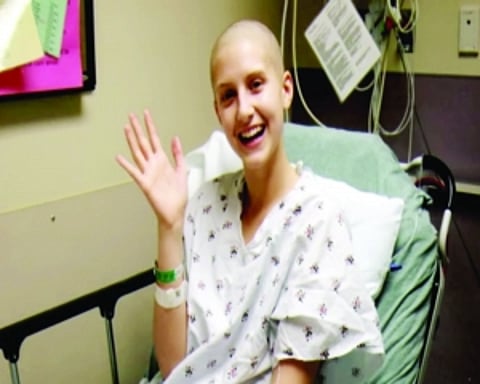

It’s time we acknowledge the struggles, foster understanding, and create a world where the cancer survivors feel supported, not isolated
It was just another morning, four years after my cancer treatment, when I drove to my local pharmacy to pick up my medicine. The pharmacy was only a mile from my house, a familiar route I had taken countless times. But on my way back home, I made a wrong turn.As I looked around, trying to figure out how to get back, panic and confusion set in. I had no idea where I was or which way to go.Four years ago, this wouldn’t have been a problem.
I would have simply turned around and found my way home without a second thought. Now, however, situations that were once routine and effortless feel frightening and overwhelming.Math used to be one of my strongest subjects. I could solve simple problems instantly. But over the past few years, even basic calculations have become daunting. I find myself second-guessing everything. Numbers don’t stay still; they seem to blur and float in my mind.
Even simple tasks, like ordering at a restaurant, have become challenging. While everyone else is ready to order, I’m still staring at the menu, overwhelmed by the options and unable to make a decision. I suddenly become aware of everyone looking at me, waiting.
By the time I finally choose, I’m so anxious and stressed that I often end up ordering something I don’t even like.These are just some of the challenges I face regularly. Things that once felt effortless now seem over whelming.
When I fumble or hesitate, I often make excuses—“Oh, I forgot” or “Sorry about that”—or I get so nervous that I avoid the situation altogether.It feels like I’m climbing a steep, jagged mountain, desperately trying to keep from falling. I’m constantly searching for ways to make things right, but sometimes, all it takes is the look on someone’s face to remind me how far I’ve fallen.
But this article isn’t just about my personal struggles, even four years after treatment. It’s about a broader issue—society’s lack of awareness about the long-term physical, mental, and emotional effects of cancer, which often persist long after treatment ends. Without this awareness, people can be unintentionally cruel and judgmental.
I believe we can bridge this gap through open-mindedness and collaboration. Support groups, community resources, and family understanding are essential for cancer survivors navigating life after treatment.Healthcare providers should be encouraged to educate patients and their families early on about the long-term effects of cancer. This would have helped my family and me better prepare for the years ahead.
Workshops should be offered to employers to foster a supportive environment for employees returning to work, emphasizing flexible hours and mental health days in workplace policies.
Movies, television, social media, and books should portray accurate information about cancer survivors. Additionally, sharing personal stories can be a powerful way to shift public perception.
As I continue climbing this mountain, I still trip and fall, but I know I will reach the top. By sharing my journey, I hope to help those who are struggling and to bring greater understanding to those who are not.It took me years to speak up about life after cancer, but I’m glad I finally did.
Cancer survivorship is more than just remission—it’s a lifelong journey filled with unseen struggles. While the world moves on, survivors often face lingering cognitive, emotional, and physical challenges that can make everyday life overwhelming. But through awareness, education, and compassion, we can create a more understanding society.
By sharing my story, I hope to shed light on these realities and encourage meaningful change. If we work together—families, employers, healthcare providers, and the media—we can build a world where survivors feel supported rather than isolated. Speaking up took time, but if my voice helps even one person, it was worth it.
(Sharmila Vaidya, a Houston-based educator and a children’s book author, is a cancer survivor; views expressed are personal)