

I was still in school when war entered our daily vocabulary. In August 1965, Pakistan’s attack on Kashmir was first heard as distant news, but it soon shaped ordinary life. Air-raid sirens cut through evenings; blackouts and curfews altered routines; trenches were dug in haste; and classrooms absorbed a quiet fear no textbook could explain. Morning newspapers carried stark reports of destruction on both sides of the border. For us, war was not an abstraction. It had a sound, a rhythm, and a presence that settled silently into homes and schools.
Those months coincided with a severe food shortage. Ration queues lengthened, staples were measured carefully, and scarcity became part of everyday conversation. Yet from this shared anxiety emerged a phrase that bound the country together: Jai Jawan, Jai Kisan.
We schoolchildren stood in long lines, banners in hand, shouting the slogan with an earnestness that exceeded our understanding. We did not grasp its full political meaning, but we sensed its truth-that the nation endured through both the soldier at the border and the farmer in the field.
At the centre of that difficult moment stood Lal Bahadur Shastri. Long before he became Prime Minister, Shastri had already left a deep impression on the public conscience. His resignation as Railway Minister after a major rail accident, at a time when political office increasingly insulated its holders from consequence, stood out. Accountability was not optional; it was the essence of public service.
Shastri appeared as a reassuring figure. His simplicity, personal austerity, and refusal to cultivate privilege resonated deeply with those who feared that the values of the national movement were being diluted in independent India. When Shastri assumed office after Nehru died in 1964, he was widely perceived as a modest, even interim, choice. The crises of 1965 revealed a firmness few had anticipated-and reminded the country that leadership is revealed under pressure, not proclamation.
During the conflict with Pakistan, Shastri authorised firm military action, including the crossing of the international border, restoring confidence shaken after 1962. Yet there was no triumphalism. His leadership was marked by restraint, discipline, and clarity of purpose.
Jai Jawan, Jai Kisan was not merely a slogan but a political insight linking national security with agricultural self-reliance. Shastri appealed to citizens to share the burden, even suggesting the voluntary skipping of a meal. The appeal carried weight because it came from a man whose own life embodied frugality. Leadership, in his case, was not performed — it was lived.
However, Shastri’s sudden death at Tashkent shortly after the peace agreement lent his life a tragic finality. But his legacy had already been secured. He demonstrated that authority does not require loudness, and that courage need not announce itself.

What remains is not merely the memory of a Prime Minister, but a benchmark of leadership now rarely invoked. In an age that rewards display over duty, Lal Bahadur Shastri’s life reminds us that nations are not undone by adversity alone, but by leaders who evade responsibility — and are strengthened when authority is exercised quietly, ethically, and without the need for applause.
Lal Bahadur Shastri (October 2, 1904 - January 11, 1966) served as the second Prime Minister of India from 1964 to 1966. Known for his honesty and dedication, Shastri’s popular slogan ‘Jai Jawan, Jai Kisan’ still rings in the ears of the generation that witnessed his leadership through tough times. He is also remembered for his extreme simplicity, moral integrity, and decisive leadership.
Early Life and Education
Role in the Freedom Struggle
Political Career and Cabinet Roles
State Level: After independence in 1947, he served as the Minister of Police and Transport in Uttar Pradesh, where he was the first to appoint women conductors and ordered police to use water jets instead of lathis to disperse crowds.
Union Minister: He held several key portfolios under Jawaharlal Nehru, including:
Railways (1951-1956): He famously resigned in 1956 taking moral responsibility for the Ariyalur train accident, setting a rare precedent for political accountability.
Home Affairs (1961-1963): He was known as a skilled mediator, particularly during language riots in Tamil Nadu.
Prime Ministership (1964-1966)
Death and Legacy
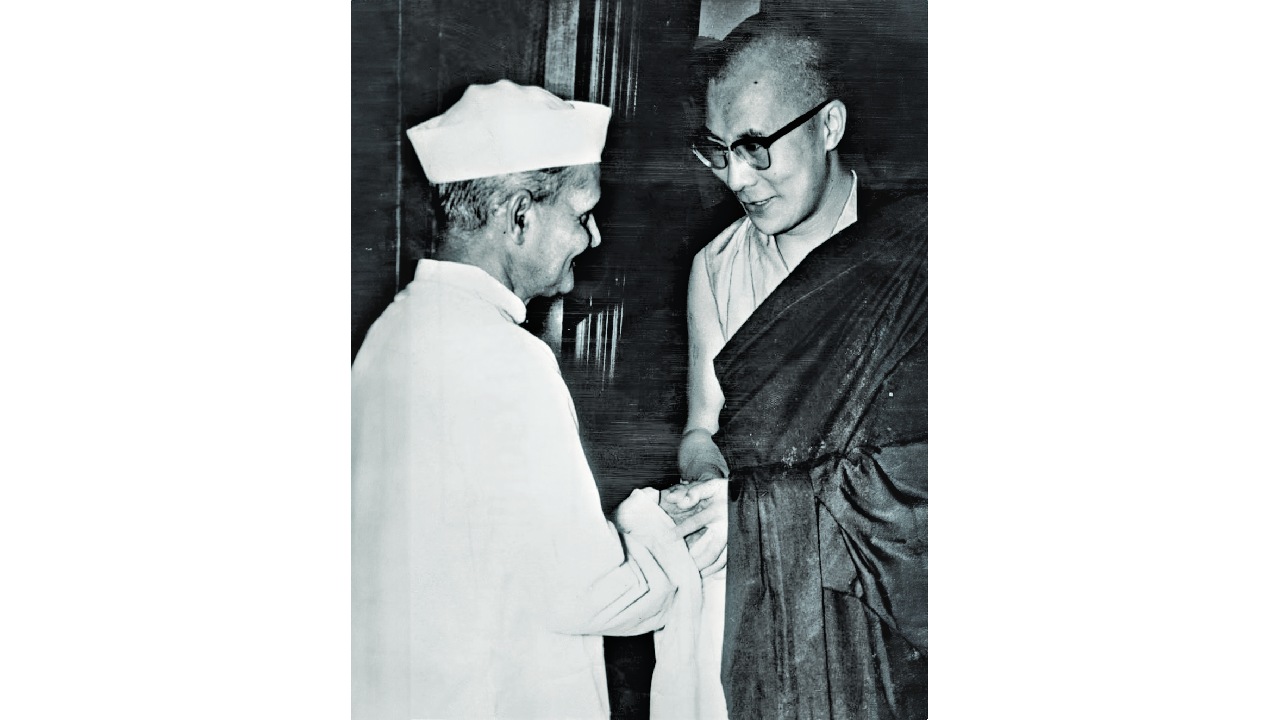
Jai Jawan, Jai Kisan was a political insight linking national security with agricultural self-reliance. Shastri appealed to citizens to share the burden, even suggesting the voluntary skipping of a meal